
Stardew Valley is more than just a farming simulator it’s a cultural phenomenon that brought heartwarming nostalgia, deep gameplay mechanics, and emotional storytelling into one pixel-art masterpiece. Developed by a single person, Eric Barone, it has inspired thousands of aspiring developers to create their own slice-of-life simulation games. But creating something with the charm, depth, and replayability of Stardew Valley requires much more than retro-style graphics.
In this blog, we will walk you through the complete process of developing a pixel-art simulation game. From planning game mechanics to working with a 2D animation company, you’ll get all the guidance you need to bring your vision to life.
Crafting the Core Concept
Before writing a single line of code or designing your first pixel, start with your core concept. What will make your simulation game unique? Is it set in a magical forest? A bustling alien planet? Or perhaps underwater? Define your theme, tone, and emotional hook.
Your game should answer a few key questions:
- What does the player do daily?
- What long-term goals drive player motivation?
- What emotional experience are you creating?
In Stardew Valley, players escape the city to rebuild a dilapidated farm while forming meaningful social connections. Your concept should aim to capture a similarly compelling gameplay loop that keeps players engaged for hours.
Designing the Gameplay Loop
Once your theme is set, it’s time to map out your gameplay loop. In simulation games, routine is everything. Players plant, water, harvest, socialize, craft, explore, and repeat with every cycle offering meaningful progression.
Your loop should contain:
- Daily routines: Farming, fishing, mining, cooking, etc.
- Seasonal changes: Weather, festivals, and crop availability.
- Relationship mechanics: Gifting, dialogue trees, and events.
- Skill progression: Farming, foraging, combat, etc.
Make sure the core loop feels satisfying in both short bursts and long sessions. To keep things fresh, gradually introduce new mechanics over time. Balance is key players should feel both challenged and relaxed.
Pixel-Perfect Visuals
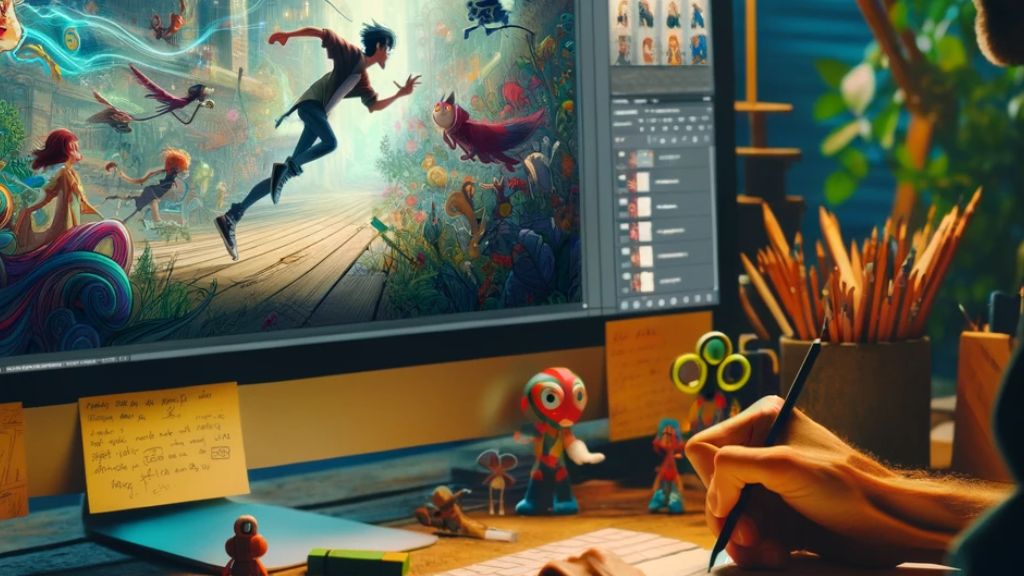
Stardew Valley’s pixel-art charm is iconic. To achieve a similar look and feel, consider working with a 2D animation company that specializes in pixel art. Pixel graphics may seem simple at first, but getting them right takes skill, consistency, and a keen eye for detail.
When collaborating with an animation team:
- Define a consistent color palette and resolution early on.
- Create a visual bible to standardize characters, buildings, and environments.
- Use “sprite sheets” for efficient animations like walking, idle, and interaction loops.
- Animate weather effects, lighting transitions, and seasonal changes.
A professional 2D animation company can also help optimize your assets for performance across different devices, especially if you’re targeting mobile platforms.
Building the World
Your game world is the heart of the player’s experience. Whether it’s a cozy village or an expansive countryside, world-building should feel organic, alive, and rich with hidden details. Use a tile-based system to construct your environments efficiently.
Key steps in world-building:
- Design modular tilesets for forests, towns, caves, and interiors.
- Use layers: ground layer, object layer, collision layer, lighting layer.
- Add ambient life: birds flying, leaves falling, NPCs walking routines.
- Introduce travel systems like minecarts, boats, or teleportation.
Don’t forget to include exploration incentives like hidden areas, secrets, and rare collectibles. These encourage players to revisit locations repeatedly.
Creating Deep NPCs
Stardew Valley is just as much about people as it is about farming. Developing memorable NPCs with personalities, routines, and stories adds emotional weight to your game. Players should feel invested in their virtual relationships.
To build deep social systems:
- Assign each character a unique schedule and set of interests.
- Implement a gift-giving system with preferences.
- Create branching dialogue based on friendship levels.
- Include special events like birthdays, festivals, and romance scenes.
A dialogue scripting tool such as Yarn Spinner or Ink can help manage complex interactions. Also, consider hiring a writer or narrative designer if you’re aiming for emotional storytelling.
Mechanics That Matter
While farming is the main mechanic in Stardew Valley, it’s surrounded by diverse systems that make the world richer combat, crafting, mining, fishing, cooking, etc. Each mechanic adds layers to the experience and gives players freedom to play their way.
Design your additional systems to:
- Be optional but rewarding.
- Feed into each other (e.g., mining gives ore for tools, which helps farming).
- Encourage exploration and experimentation.
Test these mechanics thoroughly to ensure they’re intuitive and balanced. Tools like spreadsheets and flowcharts can help track how systems interconnect and impact each other.
Game Engines and Programming Tips
For solo developers or small teams, choosing the right game engine is crucial. Stardew Valley was made in C# using Microsoft XNA. However, modern engines like Godot, Unity, and GameMaker Studio are excellent options today.
Recommended tools:
- Godot (open-source, ideal for 2D games)
- Unity (flexible, with C# scripting and robust asset store)
- GameMaker Studio (great for pixel art, easy-to-learn GML language)
Structure your code into modular components: player controller, time manager, inventory system, event system, etc. This makes debugging and future updates easier. Prioritize saving and loading systems early in development players will expect autosaves and multiple save files.
Polishing the Experience
A simulation game’s ambiance is incomplete without soothing music and responsive UI. Players will spend hours immersed in your world, so make sure their senses are treated kindly.
Audio and UX essentials:
- Compose looping background tracks that change with seasons and weather.
- Add satisfying sound effects for every action (planting, fishing, opening menus).
- Use visual and audio feedback for achievements or level-ups.
- Keep your UI clean, accessible, and gamepad/touch-friendly.
Tools like FMOD or Wwise can help manage sound integration efficiently. Don’t underestimate how much good music can elevate your game to a new level.
Testing, Feedback, and Community Building
Even the best-designed simulation games need extensive testing. Bugs in farming logic, broken quests, or glitches in social interactions can destroy immersion quickly. Moreover, balancing such a feature-rich game requires community feedback.
Steps to polish your game:
- Conduct closed alpha tests for internal bugs and crashes.
- Launch a beta version for broader feedback on pacing and engagement.
- Build a community on Discord, Reddit, or Steam forums.
- Listen to player feedback and iterate quickly.
Transparency builds trust. Share development updates regularly, showcase behind-the-scenes artwork, and involve your players in the journey. That emotional investment will lead to loyal fans and future success.
Conclusion
Creating a pixel-art simulation game like Stardew Valley is no small feat. It demands creativity, planning, technical knowledge, and above all, patience. But the end result when players fall in love with your world, characters, and stories makes the effort entirely worthwhile.
Collaborating with a 2D animation company can streamline your visual production, allowing you to focus on mechanics and narrative. Meanwhile, consistently engaging your community can transform your game from a solo project into a beloved indie gem.
So, start planting the seeds today because the next iconic life sim might be yours.
Be the first to comment on "How to Develop a Pixel-Art Simulation Game Like Stardew Valley"