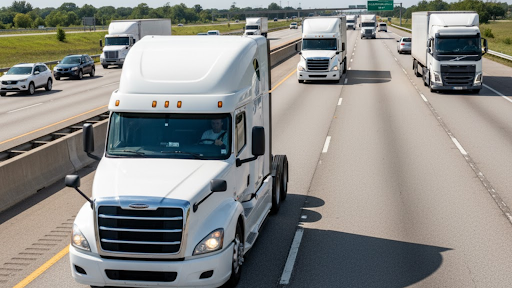
Driving across Florida’s major highways can feel like a scenic experience—until you realize how many of them rank among the most dangerous in the United States. From I-95’s endless stream of fast-moving traffic to the unpredictable conditions on US-1, these routes are not for the faint-hearted.
Every year, thousands of accidents occur on the deadliest highways in Florida, often due to speeding, distracted driving, or poor lane discipline.
So how can you protect yourself and your loved ones while traveling these high-risk roads? We have researched expert-backed safety practices and defensive driving techniques that actually work.
Stay with us as we share practical, road-tested tips to help you stay alert, confident, and safe behind the wheel.
Understanding Why Some Highways Are More Dangerous
Ever wondered why certain highways earn the title of the deadliest highways in Florida? It’s not just about heavy traffic. Several factors contribute, including:
- High Traffic Volume: Major interstates like I-4 and I-95 carry millions of vehicles every year, increasing collision risks.
- Tourist Drivers: Many visitors are unfamiliar with local roads, leading to sudden stops or erratic lane changes.
- Speeding And Aggressive Driving: Long open stretches tempt drivers to exceed speed limits.
- Distracted Driving: Smartphone use while driving remains a leading cause of highway crashes.
Understanding these risks is the first step to preventing accidents. When drivers are aware of potential dangers, they can take active steps to avoid them.
How Defensive Driving Keeps You Safer?
Defensive driving isn’t about being cautious to the point of fear—it’s about being prepared, aware, and adaptable. The main goal is to anticipate other drivers’ mistakes before they affect you. On the deadliest highways in Florida, that mindset can literally save your life.
Key defensive driving principles include:
- Maintaining a safe distance from the vehicle ahead.
- Staying in your lane and signaling early before merging.
- Observing speed limits based on road and weather conditions.
- Checking mirrors frequently to monitor surrounding vehicles.
- Avoiding distractions, even hands-free devices when possible.
The more proactive you are, the better equipped you’ll be to respond calmly in unexpected situations.
Adjusting Your Speed And Following Distance
Speed is often the deciding factor in whether an accident is avoidable or fatal. On highways known for heavy traffic and sudden stops, like I-4 near Orlando or US-1 along the coast, your reaction time is everything.
A good rule of thumb is the three-second rule—leave at least three seconds of space between you and the car ahead. In rain or fog, increase it to five seconds. Reducing speed slightly below the limit during rush hours or in construction zones can significantly reduce your risk of collision.
Remember, it’s not about reaching your destination faster; it’s about arriving safely.
Staying Focused Amid Distractions
Florida’s highways are filled with visual distractions—from digital billboards to scenic views. Add a buzzing phone or navigation updates, and it’s easy to lose focus. But losing even two seconds of attention can mean missing a critical turn or braking delay.
Ask yourself—how often do you check your phone while driving? Studies show that taking your eyes off the road for just five seconds at 55 mph is like driving the length of a football field blindfolded. Use your phone’s “Do Not Disturb While Driving” feature, or set your GPS before you start your journey.
By minimizing distractions, you significantly improve your odds of avoiding accidents on the deadliest highways in Florida.
Managing Aggressive Drivers And Road Rage
Every driver has encountered aggressive behavior on the highway—tailgating, unnecessary honking, or unsafe overtaking. The key is not to respond emotionally.
If you face an aggressive driver:
- Stay calm and avoid eye contact.
- Move over safely to let them pass.
- Do not engage or retaliate—it escalates risk.
- If they continue harassing you, call local authorities or highway patrol.
Your goal is to protect yourself, not “win” the road. Defensive driving is about de-escalation and maintaining control under pressure.
Adapting To Weather And Nighttime Conditions
Florida’s weather changes quickly. Heavy rain, fog, and sudden downpours are common, making highways slippery and reducing visibility. On the deadliest highways in Florida, these conditions become even more treacherous due to higher speed limits.
To drive safely in poor conditions:
- Turn on the headlights and reduce speed.
- Keep windshield wipers and tires in top condition.
- Avoid sudden lane changes and sharp braking.
- If visibility drops below safe levels, pull over until it improves.
Similarly, nighttime driving demands extra caution. Fatigue, glare, and reduced depth perception can slow your reaction time. Staying alert and taking breaks during long drives can make a huge difference.
Planning Your Route And Timing
Many fatal highway accidents occur during peak travel times—early mornings, late nights, or weekends. Before heading out, check traffic reports and plan your route accordingly. Using navigation apps that provide real-time traffic data helps you avoid congested or high-risk sections.
Also, plan rest stops every two hours. Long, monotonous drives increase fatigue, which can be as dangerous as drunk driving. Small adjustments like these can drastically improve your highway safety record.
Conclusion
Driving on the deadliest highways in Florida doesn’t have to be a nerve-wracking experience. Whether you’re a daily commuter or an occasional traveler, these defensive driving tips can help keep you and your loved ones safe on every journey.
However, if an accident does occur despite your best precautions, seeking guidance from an experienced Florida truck accident lawyer can make a crucial difference. A skilled attorney can help investigate the cause, handle insurance negotiations, and ensure you receive fair compensation for damages or injuries.
Be the first to comment on "Defensive Driving Tips To Drive On The Deadliest Highways In FL"