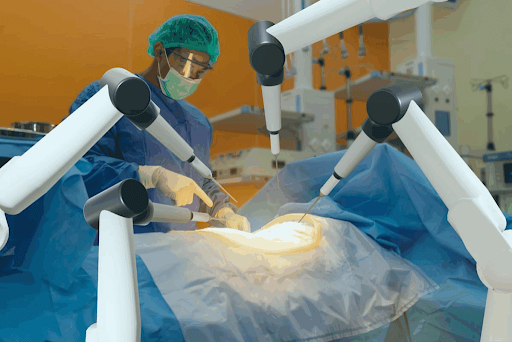
Recovery after prostate cancer treatment often brings concerns about comfort, bodily control, and returning to everyday routines. Many patients also want clarity on how treatment may affect daily life in the months ahead. Robotic surgery for prostate cancer has changed recovery experiences for many men by reducing physical strain during surgery and supporting a more structured healing process. Understanding what recovery entails and how quality of life may change over time helps patients prepare, physically and emotionally, for life after surgery.
Understanding Recovery After Surgery
Recovery does not follow a fixed pattern. Experiences vary depending on age, overall health, and disease stage. While robotic techniques aim to reduce surgical impact, healing still takes time. Knowing what to expect helps patients approach recovery with realistic expectations and less anxiety.
What does the surgery involve?
Robotic surgery uses surgeon-controlled instruments to remove the prostate through small incisions. The surgeon operates from a console and guides each movement with precision. The system does not work independently. This approach often results in less blood loss and a shorter hospital stay than open surgery, which can influence early recovery.
The early recovery phase
During the first few days after surgery, patients may experience discomfort, tiredness, and reduced mobility. These effects are part of the body’s normal healing response. Gentle movement is encouraged early to support circulation and reduce stiffness. Many patients return home within a short period, depending on recovery progress and medical advice.
Managing Physical Recovery
Physical recovery involves several areas that improve gradually with time and guidance.
Wound healing and activity levels
Small incisions heal over several weeks. Patients are advised to avoid heavy lifting or sudden strain during this time. Walking is encouraged, as it supports circulation without stressing healing areas. Doctors advise when it is safe to resume activities such as driving, work, or light exercise.
Urinary control changes
Temporary changes in urinary control are common after prostate surgery because the surrounding muscles need time to recover. Leakage may occur initially, with gradual improvement over weeks or months. Pelvic floor exercises may be recommended based on individual assessment. Regular follow-up supports safe recovery.
Bowel function and fatigue
Some men experience short-term bowel changes, such as constipation, which often settle as activity and diet normalise. Fatigue is also common early on. Gradually increasing activity, maintaining regular sleep, and pacing daily tasks can help restore energy.
Sexual Health and Intimacy After Surgery
Sexual health is an essential aspect of quality of life and a common concern after treatment.
Erectile function changes
Erectile function may be affected after robotic surgery for prostate cancer, particularly in the early months. Recovery depends on nerve preservation during surgery and sexual health before treatment. Some men notice gradual improvement, while others may need longer-term support. Doctors usually discuss expectations and available options during follow-up visits.
Emotional impact on intimacy
Changes in sexual function can affect confidence and relationships. Open communication with partners and healthcare teams helps manage expectations and emotional responses. Emotional adjustment often develops alongside physical healing.
Emotional Wellbeing and Mental Recovery
Physical healing does not happen in isolation. Emotional well-being plays a vital role in recovery.
Coping with emotional changes
Mood changes, anxiety, or frustration may appear after treatment. Concerns about follow-up tests or long-term outcomes can also influence emotional health. Recognising these responses as part of recovery allows patients to seek support early.
Adjusting to daily life
Returning to work, social activities, and hobbies often helps restore routine. Some patients prefer a gradual return, while others feel ready sooner. Paying attention to physical limits and medical advice helps balance activity and rest.
Follow-Up Care and Long-Term Monitoring
Follow-up care supports recovery and long-term health. Regular reviews allow doctors to monitor progress and address concerns early.
Medical follow-ups
Doctors schedule follow-up visits to assess healing, discuss symptoms, and monitor prostate-specific antigen levels. These appointments also allow recovery goals to be reviewed and guidance to be adjusted as needed.
Knowing when to seek advice
Patients should contact their care team if they notice increasing or worsening pain, signs of infection, or concerns related to urinary or bowel function.
Conclusion
Recovery after prostate cancer surgery involves both physical healing and emotional adjustment. Robotic techniques often support a smoother early recovery, but improvements in quality of life develop gradually. Understanding recovery stages, managing expectations, and staying engaged with follow-up care help patients feel more confident throughout the process. With time, guidance, and support, many men adjust well and return to daily life with stability and reassurance.
Be the first to comment on "Recovery and Quality of Life After Robotic Surgery for Prostate Cancer"