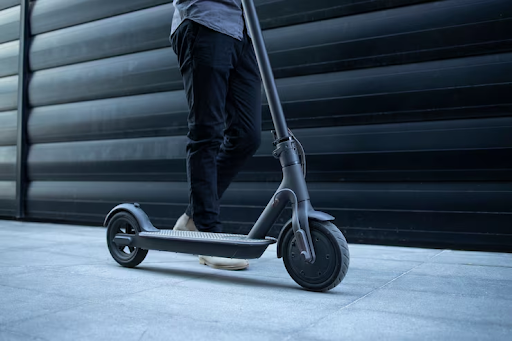
For mobility scooter users, the battery is not merely a component — it is the foundation of independence. A reliable, correctly specified mobility scooter battery determines how far you can travel, how dependably your scooter performs in daily use, and how long you can go between replacements. Understanding the different battery types available, when to replace them, and how to care for them properly is essential knowledge for every scooter owner and caregiver.
Types of Batteries Used in Mobility Scooters
Sealed Lead-Acid (SLA) — AGM and Gel
The majority of mobility scooters currently in service use Sealed Lead-Acid (SLA) batteries in either AGM (Absorbent Glass Mat) or Gel format. Both are valve-regulated sealed batteries that require no water maintenance, are safe for indoor use, and are approved for air travel on most carriers when under specified watt-hour limits. AGM batteries offer slightly higher discharge rates and are generally the more widely available option; Gel batteries are somewhat more tolerant of partial state of charge storage and perform slightly better in high-temperature environments.
Standard batteries for mobility scooters in the SLA category are typically rated between 12V 12Ah and 12V 75Ah, with most lightweight travel scooters using smaller packs and full-size class 3 scooters using larger capacity packs. They are wired in pairs (two 12V batteries in series) to provide the 24V system voltage used by most mobility scooters.
Lithium-Ion Batteries for Mobility Scooters
Lithium-based mobility scooter batteries are an increasingly available upgrade option for many scooter models, particularly in the premium and travel scooter segments. The advantages of lithium chemistry for mobility use are significant: batteries mobility scooters fitted with lithium packs are considerably lighter — often 50 to 60 percent less mass than equivalent-capacity SLA — which is a meaningful benefit for scooters that need to be transported, loaded into vehicles, or carried in parts.
Lithium batteries also offer higher usable capacity (typically 80–90% versus 50% for SLA), longer cycle life, faster charging, and more consistent performance throughout the discharge cycle. The higher upfront cost is the primary barrier to adoption, though this is offset over time by longer replacement intervals.
How to Know When Your Mobility Scooter Battery Needs Replacing
Several signs indicate that a battery for a mobility scooter is approaching end-of-life and should be replaced: significantly reduced range compared to when the scooter was new; a battery indicator that drops quickly after charging and fails to hold a full charge; the scooter losing power on inclines that it previously handled without difficulty; the battery taking noticeably longer or shorter than usual to reach full charge; and in some cases, visible swelling or casing deformation on SLA batteries (which indicates cell failure and warrants immediate replacement for safety reasons).
Most SLA mobility scooter batteries reach the end of their useful service life after one to three years, depending on usage frequency, charging practices, and storage conditions. Lithium batteries typically last three to five years or longer.
Choosing the Right Replacement Battery for Your Mobility Scooter
The most important rule when selecting replacement batteries mobility scooters require is to match the original specification exactly — voltage, amp-hour capacity, and physical dimensions must all correspond to the original battery unless you are undertaking a verified, compatible upgrade. Using an undersized battery will reduce range and may damage the battery from excessive discharge rates. Using a battery with different physical dimensions may prevent proper installation or connection.
Always consult your scooter’s owner manual or contact the manufacturer to confirm the correct battery specification. If you are upgrading from SLA to lithium, confirm that the upgrade is compatible with your scooter’s specific charger and battery management system before purchasing.
Best Practices for Mobility Scooter Battery Care
Charging Habits
Charge your mobility scooter after every use, regardless of how much charge remains. Allowing SLA batteries to sit in a deeply discharged state causes irreversible sulfation damage. Use only the charger supplied with your scooter or a verified compatible replacement — incorrect chargers damage battery cells and void warranties. Avoid leaving the battery on charge for extended periods beyond completion if your charger does not have an automatic cut-off.
Storage
If the scooter will not be used for an extended period, charge the battery to approximately 50–80% before storage, and recharge every four to eight weeks during the storage period. Store in a cool, dry environment — avoid exposing batteries to freezing temperatures or direct heat, both of which accelerate degradation.
Regular Inspection
Inspect battery terminals periodically for corrosion, which can impede charging and discharge performance. Clean terminals with a dry cloth or a small amount of terminal protector spray if corrosion is present. Check that battery connections are secure and that the battery is properly seated in its compartment.
Conclusion
Mobility scooter batteries are the component that defines your scooter’s usefulness and your independence. Understanding the difference between battery types, recognizing the signs of battery deterioration, choosing the correct replacement specification, and following sound charging and storage practices will all contribute to maximizing your battery’s useful life and your scooter’s dependable performance. When replacement is needed, prioritize quality and correct specification over price alone — a reliable battery for your mobility scooter is an investment in your daily freedom.
Be the first to comment on "Mobility Scooter Batteries: Types, Replacement & Care Guide"