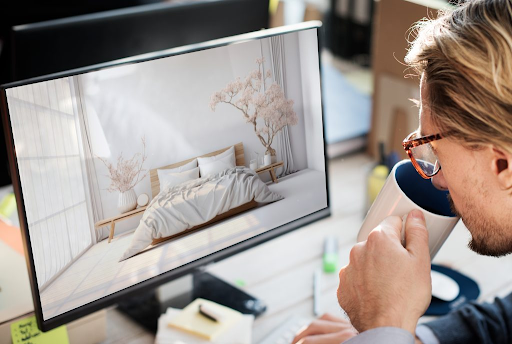
Imagine holding a product in your hands before it’s even manufactured. That’s essentially what 3D modeling design services allow businesses to do. 3D modeling is the process of creating a digital representation of an object, product, building, or character in three dimensions using specialized software. Instead of looking at a flat drawing, designers and clients can explore a fully interactive visual model that shows every angle, texture, and structural detail.
This technology has revolutionized how ideas move from concept to reality. Designers start with basic shapes and gradually refine them into complex structures, adding materials, lighting, and textures to make the model look realistic. The result is a digital prototype that can be tested, adjusted, and perfected before any physical production begins.
What makes this process so powerful is the level of control it gives creators. Need to change a design feature? Adjust dimensions? Test how a product looks in different colors? With 3D modeling, these changes can happen instantly. That flexibility saves businesses significant time and resources. Designers can experiment with multiple concepts without spending money on physical prototypes or materials.
Today, 3D modeling design services are used across industries ranging from product development and architecture to video games and e-commerce. As companies compete to create more engaging digital experiences, 3D models have become an essential part of modern design and marketing.
Evolution of Digital 3D Design Technology
The journey of 3D modeling technology is fascinating. In the early days of computer graphics, digital models were basic geometric shapes used mainly for engineering simulations. Fast forward to today, and designers can create ultra-realistic digital environments that are almost indistinguishable from real life.
Modern software tools allow designers to simulate materials, lighting, and physics with incredible accuracy. These innovations have pushed the boundaries of creativity, enabling industries like gaming and film to produce immersive worlds that captivate audiences. At the same time, manufacturing companies use 3D models to design complex mechanical components and test how they perform before production begins.
Technology trends such as artificial intelligence and cloud-based collaboration have further accelerated the growth of the industry. AI-powered tools can now automate parts of the modeling process, making design faster and more efficient. Cloud platforms allow designers and clients to collaborate from different locations in real time, improving productivity and decision-making.
The global demand for these services continues to rise rapidly. The 3D modeling market was valued at approximately $4.56 billion in 2025 and is expected to reach nearly $9.74 billion by 2034, growing at an annual rate of more than 15%. This explosive growth shows how essential digital modeling has become for businesses looking to innovate and compete in a digital-first world.
The Rising Demand for 3D Modeling Services
Market Growth and Industry Statistics
The growth of 3D modeling design services over the past decade has been nothing short of remarkable. As businesses increasingly rely on digital tools to design products, visualize ideas, and create immersive experiences, the demand for skilled 3D artists and modeling services continues to expand across multiple industries.
Recent research shows that the global 3D models market is projected to grow from $2.13 billion in 2025 to over $12 billion by 2035, with a strong annual growth rate of nearly 19%. This rapid expansion reflects the growing importance of digital visualization in fields like gaming, architecture, product development, and marketing.
Another report highlights that nearly 72% of manufacturing designers now rely on advanced 3D modeling tools for product development and simulation. Instead of building expensive prototypes for every design change, companies can test their ideas virtually using digital models. This not only speeds up development but also reduces costs and production risks.
The rise of AR, VR, and the metaverse has also contributed to this surge in demand. Brands are investing heavily in interactive 3D content to create immersive customer experiences. For example, online retailers now allow customers to rotate and explore products in 3D before purchasing, increasing buyer confidence and reducing product returns.
In short, the digital economy is creating an environment where visual experiences matter more than ever. Businesses that adopt 3D modeling services gain a significant advantage by presenting their products and ideas in the most engaging and realistic way possible.
Key Drivers Behind the Growth of 3D Design
Several factors are driving the explosive growth of the 3D modeling industry. First, the shift toward digital transformation has pushed companies to modernize their design and production workflows. Traditional 2D drawings often leave room for interpretation, which can lead to costly mistakes. 3D models eliminate that uncertainty by providing a clear and precise visualization of every detail.
Another major driver is the rapid growth of immersive technologies. Virtual reality, augmented reality, and interactive simulations all rely heavily on high-quality 3D assets. Whether it’s a virtual showroom for a furniture brand or a digital training environment for engineers, these experiences require accurate and detailed models.
E-commerce is also playing a significant role. Online shoppers increasingly expect to see products from multiple angles before making a purchase. Interactive 3D product models allow customers to inspect items as if they were holding them in their hands. This level of visualization improves customer confidence and boosts conversion rates.
Finally, advancements in computing power and design software have made professional 3D modeling more accessible than ever. What once required expensive hardware and specialized expertise can now be achieved with cloud-based tools and skilled design teams. As a result, businesses of all sizes—from startups to global corporations—are investing in custom 3D modeling services to bring their ideas to life.
What Is a Custom 3D Modeling Service?
How Custom Modeling Differs from Generic 3D Models
A custom 3D modeling service focuses on creating digital models specifically tailored to a client’s unique requirements. Instead of purchasing pre-made assets from online marketplaces, businesses collaborate with professional designers to develop models that match their exact specifications.
Think of it like the difference between buying a suit off the rack and having one tailored to your measurements. A generic 3D model might look good, but it rarely captures the exact details, dimensions, or branding elements needed for a specific project. Custom modeling ensures that every aspect of the design aligns perfectly with the client’s vision.
This level of customization is particularly important for industries like product design and manufacturing. Engineers need models that accurately represent real-world dimensions and materials so they can test functionality and performance. Similarly, marketing teams require high-quality visuals that showcase products in the best possible way.
Custom models also offer greater flexibility. Designers can optimize them for different purposes, such as animation, gaming, or real-time rendering. For example, a 3D model used in a mobile game must be lightweight and optimized for performance, while a product visualization model might prioritize photorealistic textures and lighting.
Key Elements of a Professional Custom 3D Model
Creating a professional 3D model involves much more than simply shaping objects on a screen. It requires a combination of artistic creativity and technical precision. Designers must consider factors such as geometry, textures, materials, lighting, and rendering quality.
High-quality models typically include several levels of detail, allowing them to perform efficiently in different environments. For instance, a product model used in an online store might have multiple versions optimized for mobile devices, web browsers, and high-resolution marketing visuals.
Another critical element is realism. Designers use advanced rendering techniques to simulate how light interacts with materials like metal, glass, or fabric. These details make the model appear lifelike and visually appealing. When done correctly, a 3D rendering can look so realistic that viewers might mistake it for a photograph.
Professional 3D modeling services also emphasize accuracy and scalability. Models should be easy to modify and adapt for future projects. This flexibility allows businesses to reuse assets across multiple platforms, saving time and reducing design costs.
Industries That Rely on 3D Modeling Design Services
Architecture and Real Estate Visualization
In architecture and real estate, visualization is everything. Before construction even begins, architects use 3D modeling design services to create detailed digital representations of buildings, interiors, and landscapes. These models help clients and investors understand exactly how a project will look once completed.
Traditional blueprints can be difficult for non-experts to interpret. A 3D model, on the other hand, provides a realistic view of the final structure. Clients can walk through virtual rooms, explore different layouts, and visualize how natural light will interact with the space.
This level of visualization also helps architects identify potential design issues early in the process. By analyzing the model from multiple angles, designers can detect structural conflicts or inefficiencies before construction begins. Fixing these issues in the digital stage is far cheaper than correcting them during construction.
Product Design and Manufacturing
Product development is another field where custom 3D modeling services play a critical role. Engineers use digital models to design prototypes, test functionality, and refine product features before manufacturing begins. According to industry reports, more than 70% of manufacturing companies rely on 3D modeling for product simulation and rapid prototyping.
This approach dramatically speeds up the design process. Instead of building multiple physical prototypes, designers can experiment with different configurations in a virtual environment. They can test materials, simulate stress conditions, and optimize the design for performance and durability.
Gaming, Animation, and Entertainment
If you’ve ever played a modern video game or watched a blockbuster animated movie, you’ve already experienced the power of 3D modeling. Characters, environments, vehicles, and special effects all rely on detailed digital models.
In the gaming industry, these models must be optimized for real-time performance while still maintaining visual quality. Designers carefully balance polygon counts, textures, and lighting to ensure smooth gameplay. The entertainment industry continues to push the boundaries of what’s possible, creating increasingly realistic digital worlds.
Core Types of 3D Modeling Services
Product and Industrial 3D Modeling
Product modeling focuses on creating digital representations of physical items such as electronics, furniture, machinery, or consumer goods. These models are often used for product design, advertising, and e-commerce visualization.
Designers carefully replicate every detail, from the shape of the product to the texture of its materials. This accuracy allows businesses to showcase products online before they are manufactured. Customers can rotate the model, zoom in on features, and explore the product from every angle.
Architectural 3D Visualization
Architectural visualization involves creating detailed models of buildings and interior spaces. These models help architects communicate their ideas to clients, investors, and construction teams. Photorealistic renderings can show how a building will look at different times of day or under various lighting conditions.
Character and Animation Modeling
Character modeling is widely used in animation, gaming, and virtual reality. Artists design characters with detailed facial features, clothing, and expressions. These models are then rigged and animated to bring them to life.
Benefits of Professional 3D Modeling Design Services
Enhanced Visualization and Communication
One of the biggest advantages of 3D modeling is its ability to improve communication. Instead of relying on technical drawings or verbal explanations, stakeholders can see the design clearly in a visual format. This eliminates misunderstandings and ensures everyone involved in the project shares the same vision.
Faster Product Development and Cost Efficiency
3D modeling also reduces development time and costs. Designers can quickly modify digital models without rebuilding physical prototypes. This flexibility allows teams to experiment with multiple design ideas and find the best solution faster.
Studies show that virtual modeling can significantly shorten product development cycles and reduce material waste by allowing precise calculations of resources before production begins.
Choosing the Right 3D Modeling Service Provider
Essential Factors to Consider
Selecting the right provider for 3D modeling design services can make or break a project. Businesses should look for companies with a strong portfolio, technical expertise, and experience in their specific industry. Communication is also critical, as design projects often require multiple revisions and feedback cycles.
Another important factor is scalability. The provider should be able to handle projects of different sizes and complexities. Whether it’s a single product model or an entire digital environment, the service provider must deliver consistent quality.
Why Businesses Trust IT-S for Custom 3D Modeling
When it comes to professional custom 3D modeling services, companies often seek a partner that combines creativity with technical precision. IT-S is known for delivering tailored 3D modeling solutions designed to meet the unique needs of businesses across various industries.
By focusing on high-quality design, accurate modeling, and efficient workflows, the team ensures that every project meets professional standards. From product visualization to architectural rendering, customized solutions help businesses bring their ideas to life in the most realistic and engaging way possible.
The Future of Custom 3D Modeling Services
The future of 3D modeling design services looks incredibly exciting. Emerging technologies like artificial intelligence, generative design, and real-time rendering are transforming how digital models are created and used. Designers can now generate complex shapes automatically and simulate real-world conditions with astonishing accuracy.
Another major trend is the integration of 3D models into augmented and virtual reality environments. Businesses are building immersive digital experiences where customers can interact with products and spaces before making purchasing decisions.
As industries continue to embrace digital transformation, the demand for custom 3D modeling will only grow. Companies that invest in high-quality 3D design today will be better positioned to innovate, communicate ideas clearly, and stand out in an increasingly visual digital world.
Conclusion
3D modeling has evolved from a niche technical skill into a fundamental tool for modern design and innovation. From architecture and product development to gaming and e-commerce, 3D modeling design services help businesses visualize ideas, test concepts, and communicate more effectively with clients and stakeholders.
The growing demand for custom 3D modeling services reflects a broader shift toward digital-first workflows. Businesses want more than simple visualizations—they need accurate, flexible models that can adapt to multiple applications. With advanced software, cloud collaboration, and AI-powered tools, the possibilities for digital design continue to expand.
Companies that leverage professional modeling services gain a competitive advantage by presenting ideas in the most compelling and realistic way possible. Whether it’s designing the next generation of products or creating immersive digital experiences, 3D modeling is shaping the future of design.
FAQs
1. What are 3D modeling design services?
3D modeling design services involve creating digital three-dimensional representations of objects, buildings, characters, or environments using specialized software. These models are used for visualization, product development, animation, and simulation.
2. What industries use custom 3D modeling services?
Industries such as architecture, manufacturing, gaming, film, product design, and e-commerce commonly use 3D modeling to visualize ideas and create digital prototypes.
3. Why is 3D modeling important for product design?
3D modeling allows designers to test product concepts, refine designs, and create prototypes digitally before manufacturing begins. This reduces costs, saves time, and improves design accuracy.
4. How long does it take to create a custom 3D model?
The timeline depends on the complexity of the project. Simple models may take a few hours, while complex product or architectural models can take several days or weeks.
5. What software is commonly used for 3D modeling?
Popular 3D modeling tools include Blender, Autodesk Maya, 3ds Max, SolidWorks, and Cinema 4D. These tools enable designers to create highly detailed and realistic digital models.
Be the first to comment on "Custom 3D Modeling Design Services: Transforming Ideas into Digital Reality"