Advancements in medical science have dramatically transformed the way heart conditions are treated and managed. Today, patients no longer need to rely solely on traditional surgical methods that often involve long recovery periods and higher risks. Modern innovations in cardiothoracic surgery have introduced safer, more efficient approaches that prioritize faster healing and improved patient outcomes. These advancements are not only saving lives but also enhancing the quality of recovery for individuals facing complex heart conditions.
As healthcare continues to evolve, the focus has shifted toward precision, minimally disruptive procedures, and patient-centric care. The integration of advanced technology, skilled surgical expertise, and comprehensive treatment plans ensures better results and reduced complications. With the growing importance of cardiothoracic surgery, patients can now experience quicker recoveries, less discomfort, and a smoother journey back to normal life.
Advancing Recovery Outcomes Through Cardiothoracic Surgery Innovations and Precision Care
Modern cardiothoracic surgery has evolved beyond traditional methods, incorporating cutting-edge techniques and technologies to improve patient recovery. These advancements ensure safer procedures and more effective treatment outcomes.
1. Precision-Driven Surgical Techniques
Today’s surgical procedures rely heavily on precision tools and imaging technologies. Surgeons can now operate with enhanced accuracy, reducing the risk of complications. This precision ensures that only affected areas are treated, preserving healthy tissues and improving recovery outcomes. Patients benefit from targeted interventions that minimize trauma and promote faster healing.
2. Integration of Advanced Imaging Technology
High-resolution imaging systems allow surgeons to visualize the heart and surrounding structures in real time. This helps in planning and executing procedures with greater accuracy. Advanced imaging reduces uncertainties during surgery, leading to safer operations and improved patient outcomes.
3. Reduced Surgical Trauma
Modern techniques focus on minimizing physical trauma during procedures. Smaller incisions and refined surgical approaches reduce damage to surrounding tissues, resulting in less pain and quicker recovery times. Patients can return to their daily activities sooner compared to traditional surgical methods.
4. Improved Post-Operative Care
Post-surgery care has become more structured and patient-focused. Comprehensive rehabilitation programs help patients regain strength and improve heart function. These programs often include monitored exercise, lifestyle guidance, and emotional support, contributing to overall recovery.
5. Enhanced Patient Safety Measures
Safety protocols have significantly improved in modern surgical environments. From pre-operative assessments to post-operative monitoring, every stage is designed to reduce risks and ensure patient well-being. These measures contribute to higher success rates and better patient satisfaction.
6. Collaborative Multidisciplinary Approach
Cardiac treatment now involves collaboration between surgeons, cardiologists, and rehabilitation specialists. This team-based approach ensures comprehensive care, addressing all aspects of a patient’s condition and recovery journey.
Transforming Patient Outcomes with Cardiac Care and Holistic Treatment Approaches
Modern healthcare emphasizes holistic cardiac care, focusing not only on surgical treatment but also on long-term health and well-being. This comprehensive approach ensures better recovery and improved quality of life.
1. Personalized Treatment Plans
Every patient’s condition is unique, requiring tailored treatment strategies. Personalized care plans consider medical history, lifestyle, and specific health needs. This approach ensures more effective treatment and better recovery outcomes.
2. Preventive Cardiac Care Strategies
Preventive measures play a crucial role in reducing the risk of heart diseases. Regular check-ups, lifestyle modifications, and early detection help manage conditions before they become severe, improving overall health outcomes.
3. Role of Rehabilitation Programs
Cardiac rehabilitation programs are essential for recovery after surgery. These programs include supervised exercise, education, and counseling, helping patients regain strength and confidence while reducing the risk of future complications.
4. Lifestyle and Dietary Management
Healthy lifestyle choices, including balanced diets and regular exercise, are critical components of cardiac care. Patients are encouraged to adopt heart-friendly habits to maintain long-term health and prevent recurrence of conditions.
5. Emotional and Psychological Support
Heart conditions and surgeries can be emotionally challenging. Providing psychological support helps patients cope with stress and anxiety, contributing to a smoother recovery process.
6. Continuous Monitoring and Follow-Up
Regular follow-ups ensure that patients remain on track with their recovery. Monitoring helps detect potential issues early and allows for timely interventions, ensuring sustained health improvements.
Modern Technologies Revolutionizing Recovery in Cardiothoracic Surgery Procedures
Technological advancements have revolutionized cardiothoracic surgery, making procedures safer, faster, and more effective. These innovations are reshaping the future of cardiac treatment.
1. Robotic-Assisted Surgery
Robotic systems allow surgeons to perform complex procedures with high precision through small incisions. These systems enhance control and accuracy, reducing surgical risks and improving recovery outcomes.
2. Minimally Disruptive Surgical Tools
Advanced tools enable surgeons to operate with minimal disruption to surrounding tissues. This reduces pain, scarring, and recovery time, making procedures more patient-friendly.
3. Real-Time Data and Monitoring Systems
Modern operating rooms are equipped with real-time monitoring systems that track vital signs and provide instant feedback. This ensures quick decision-making and enhances patient safety during procedures.
4. Artificial Intelligence in Healthcare
AI-powered tools assist in diagnosing conditions and predicting outcomes. These technologies improve accuracy and help doctors make informed decisions, leading to better treatment results.
5. Enhanced Surgical Training and Simulation
Simulation technologies allow surgeons to practice procedures in virtual environments, improving their skills and reducing the risk of errors during actual surgeries.
6. Faster Recovery Protocols
Innovative recovery protocols focus on early mobilization and reduced hospital stays. Patients can resume normal activities more quickly, improving overall satisfaction and quality of life.
Final Thoughts
The field of heart treatment has undergone remarkable transformation, offering patients safer procedures, faster recovery, and improved outcomes. With advancements in technology, precision techniques, and patient-focused care, individuals can now experience a smoother and more effective healing journey. Choosing the right specialist plays a crucial role in ensuring successful treatment and long-term health.
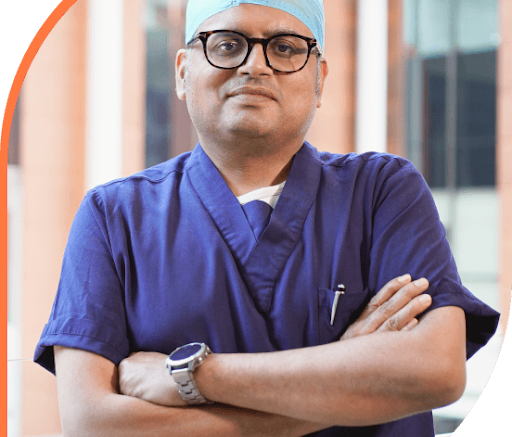
For those seeking expert care and advanced treatment options, Dr Udgeath Dhir stands as a trusted name in delivering excellence in heart care. With a commitment to innovation and patient well-being, we specialize in minimally invasive surgery, offering treatments that reduce pain, shorten recovery time, and enhance overall outcomes. By choosing the right expertise, patients can confidently take a step toward better heart health and a renewed quality of life.
Be the first to comment on "Restoring Rhythm: How Modern Techniques Are Transforming Patient Recovery"