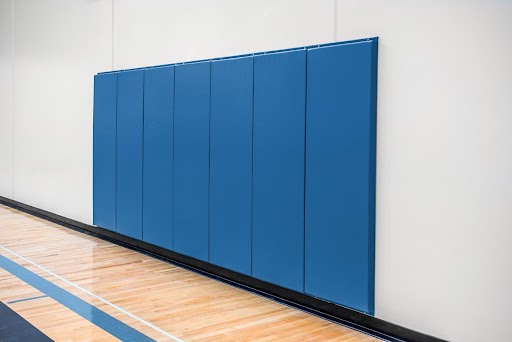
Floors usually get the first safety check in indoor activity spaces. People look for trip hazards, wet patches, loose tiles, or worn surfaces. That makes sense. Most movement happens across the floor. But in many rooms, the wall is just as close to the action. A fast turn, a missed landing, a crowded drill, or a sudden loss of balance can send someone sideways before anyone has time to react.
This is why wall mats are useful in more places than people may expect. They help soften contact with hard vertical surfaces and can make busy indoor rooms feel better prepared for active use. They are not only for high-level sports. Schools, gyms, play areas, martial arts spaces, and training rooms can all benefit when the wall sits near movement.
One simple way to understand their value is to picture a room during real use. Children do not always move in straight lines. Athletes do not always stop exactly where planned. Fitness groups may spread out during warm-ups. Instructors may set up circuits close to the edge of the room because space is limited. A bare wall may look harmless when the room is empty, but it becomes part of the activity area once people start moving.
The main role is impact reduction. A padded wall surface can help lower the force of accidental bumps. This may matter around sports courts, gymnastics corners, indoor play zones, and areas where people practise balance or body control. It is especially helpful when users are young, new to the activity, or still learning how to stop, land, or turn safely.
Another benefit is confidence. When a space feels protected, teachers, coaches, and participants can focus more on the activity. This does not mean people should become careless. Good supervision and clear rules still matter. However, a well-prepared room can reduce hesitation, especially in activities that involve movement near the edge of the space.
Placement should be based on how the room is used. Covering every wall may not be needed. The better approach is to look at contact zones. These may include walls behind goals, areas beside mats, corners near training stations, or spaces where groups line up and move quickly. Watching one normal session can show where protection makes the most sense. Sometimes the highest-risk spot is not obvious on a floor plan.
Material quality also affects performance. The foam should provide enough cushioning without feeling weak or thin. The outer surface should be strong, easy to clean, and suitable for repeated contact. In shared rooms, hygiene is a real concern. A surface that wipes down easily can save staff time and keep the space looking cared for.
Fixing and fit are just as important. Panels should sit securely and should not leave awkward gaps. Loose edges can create new hazards. A poor fit may also make the room look untidy, which can affect how users treat the space. Clean installation helps the protection feel like part of the room, not an afterthought.
There is also a building protection angle. Hard use can mark painted walls, chip corners, and damage lower sections of a room over time. In schools and sports centres, repairs can become a regular cost. Wall mats can help reduce this wear in areas that take repeated knocks. That can be useful for venues trying to keep spaces safe and presentable without constant repainting or patching.
Still, they should be chosen with care. A small children’s activity room may need a different style from a martial arts area or a school sports hall. Height, thickness, cover type, colour, and cleaning needs should all match the setting. The right choice is not always the biggest or softest option. It is the one that fits the activity, the users, and the room.
Indoor safety is rarely about one product. It comes from layout, supervision, clear rules, suitable flooring, good storage, and regular checks. Wall mats add another layer of protection where hard surfaces sit close to movement. Used well, they make active rooms safer, more practical, and easier to use with confidence.
Be the first to comment on "Wall Mats: How They Help Make Indoor Spaces Safer"