Cancer treatment planning often depends on how far the disease has spread and whether nearby organs are involved. In some abdominal cancers, cancer cells may spread to the lining of the abdomen, which can make treatment more complex. In these situations, doctors may consider specialized approaches designed to remove visible tumours and treat remaining cancer cells. One such approach is HIPEC surgery, which combines tumour removal with heated chemotherapy delivered directly into the abdominal cavity to support more targeted and comprehensive treatment.
What is HIPEC Surgery?
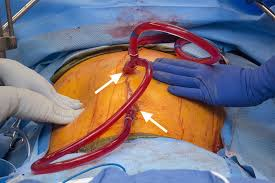
HIPEC stands for Hyperthermic Intraperitoneal Chemotherapy and is performed after cytoreductive surgery that removes visible tumours from the abdominal cavity. Once surgery is completed, heated chemotherapy is circulated within the abdomen for a specific duration. Delivering chemotherapy directly to the affected area allows higher drug concentration at the tumour site while limiting exposure to the rest of the body. This combined approach is used in carefully selected cases to help target remaining cancer cells and support comprehensive abdominal cancer treatment.
How Is HIPEC Surgery Performed?
HIPEC surgery is performed through a carefully planned, step-by-step process during a single operation.
- Anaesthesia and Preparation: The patient is given general anaesthesia and the surgical team prepares the abdomen for the procedure.
- Cytoreductive Surgery: Surgeons remove all visible tumours from the abdominal cavity. Depending on disease spread, nearby tissues or affected organs may also be treated.
- Placement of Catheters: Special tubes and temperature monitors are placed inside the abdomen to circulate and control the chemotherapy solution.
- Heated Chemotherapy Circulation: A heated chemotherapy solution is pumped through the abdominal cavity for about 60 to 90 minutes to reach remaining cancer cells.
- Removal of Chemotherapy Solution: The solution is drained safely after the treatment period is completed.
- Closure and Recovery: The surgical site is closed, and the patient is moved to recovery for close monitoring.
This stepwise approach combines surgery and localised chemotherapy to support comprehensive treatment.
Why Is Heated Chemotherapy Used?
Heat may improve the effectiveness of chemotherapy medicines against cancer cells. Cancer cells can become more sensitive to treatment at higher temperatures, which may help the medicine act more effectively inside the abdominal cavity during the treatment process. Another advantage is that the medicine is delivered directly into the abdomen instead of throughout the body. This allows doctors to deliver concentrated treatment to the affected area while reducing exposure of healthy tissues and organs outside the abdomen.
Cancers That May Require HIPEC Surgery
Doctors may consider this treatment for selected cancers that spread within the abdominal lining, also known as the peritoneum. These may include:
- Appendix Cancer: Certain appendix cancers may spread inside the abdominal cavity and require specialised treatment.
- Colorectal Cancer: Advanced colorectal cancer may sometimes spread to the abdominal lining.
- Ovarian Cancer: In selected situations, patients with abdominal spread may be evaluated for this procedure.
- Peritoneal Mesothelioma: This rare cancer affects the lining of the abdomen and may require combined treatment approaches.
- Stomach Cancer: Some stomach cancers with spread inside the abdomen may be considered for this treatment.
Not every patient with these cancers will require this procedure. Doctors determine suitability after a detailed medical evaluation and assessment of the patient’s overall condition, treatment history, and extent of disease spread within the abdominal cavity.
Who is Considered Suitable for HIPEC Surgery?
Several medical factors are reviewed before recommending this treatment. Patients usually undergo imaging scans, blood investigations, and physical evaluation to understand the extent of the disease and assess whether major abdominal surgery can be performed safely. This treatment may be considered for patients whose cancer is mainly limited to the abdominal cavity. A multidisciplinary team, including surgical oncologists and other specialists, carefully evaluates each case before deciding the most appropriate treatment plan for recovery.
Recovery After HIPEC Surgery
Recovery after HIPEC surgery takes time because it involves major abdominal surgery and careful post-operative monitoring.
- Hospital Stay: Patients usually remain in the hospital while doctors monitor healing, bowel function, nutrition, and overall recovery.
- Common Symptoms: Tiredness, weakness, and reduced appetite may continue for several weeks after surgery.
- Follow-Up Care: Regular appointments help doctors track recovery and assess if further treatment or support is needed.
Ongoing monitoring and gradual recovery support help patients regain strength safely after the procedure.
Conclusion
HIPEC surgery is a specialised treatment approach used in selected abdominal cancers where the disease has spread within the abdominal cavity. The procedure combines tumour removal surgery with heated chemotherapy delivered directly into the abdomen to help manage remaining cancer cells. The treatment is not suitable for every patient and requires a detailed medical evaluation. Factors such as cancer type, extent of spread, and overall health help doctors determine whether this approach may be beneficial. Early diagnosis and specialist consultation play an important role in planning appropriate cancer care.
Be the first to comment on "What is HIPEC Surgery and Who Needs It?"