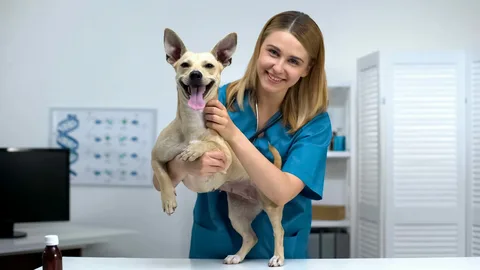
Preventive veterinary care helps pets remain healthier by supporting early detection, routine monitoring, proper nutrition, vaccination, dental care, and parasite prevention. Pets often hide signs of discomfort, making regular veterinary visits valuable even when they appear healthy. A pet wellness check-up can help assess overall condition and identify changes that may otherwise go unnoticed.
Routine examinations can also provide opportunities to review vaccination schedules, weight, nutrition, dental health, parasite prevention, behavior, and age-related concerns. Preventive care needs can differ according to a pet’s age, breed, lifestyle, and health history. By maintaining regular veterinary care and observing changes at home, pet parents can take a proactive approach to supporting their companions’ well-being throughout different stages of life.
Essential Components of Complete Pet Wellness
A comprehensive wellness routine considers several aspects of health rather than focusing only on illness or immediate symptoms.
1. Routine Physical Examinations
Regular physical examinations allow veterinarians to assess a pet’s overall condition and identify potential concerns early on. During a wellness visit, areas such as weight, coat, eyes, ears, teeth, joints, and general physical condition can be evaluated. These examinations also provide an opportunity to discuss changes in appetite, behavior, activity, or sleep. Consistent visits allow veterinarians to compare health changes over time and recommend appropriate preventive measures tailored to each pet’s needs.
2. Vaccination and Disease Prevention
Vaccination is an important part of preventive healthcare for dogs and cats because it helps protect against various infectious diseases. Vaccination requirements can differ depending on species, age, lifestyle, and health status. Veterinary guidance helps pet parents understand which vaccinations may be appropriate and when boosters are required. Preventive care can also include parasite control for fleas, ticks, and worms. Maintaining these measures can reduce avoidable health risks and support a stronger foundation for long-term wellness.
3. Nutrition and Healthy Weight
Nutrition is directly linked to energy, growth, immunity, and overall well-being. Pets require diets appropriate for their age, size, activity level, and specific health needs. Regular weight monitoring can help identify unwanted weight gain or loss before it becomes a larger concern. Veterinary guidance can also be useful when pets require specialized or prescription diets. Maintaining healthy nutrition and appropriate portions can support mobility, organ health, and quality of life while reducing risks associated with poor dietary habits.
4. Dental Health and Oral Hygiene
Dental health is an important part of overall pet wellness because oral problems can cause pain, difficulty eating, and other health concerns. Routine dental examinations can help identify plaque, tartar, gum inflammation, damaged teeth, or other abnormalities. Home dental care may also support oral hygiene between veterinary visits. Professional dental services can be recommended when cleaning or treatment is required. Including dental assessment in routine wellness care helps ensure that oral health is not overlooked during general health monitoring.
Preventive Care Across Different Life Stages
Pets require different types of preventive care as they move from early development through adulthood and into their senior years. A pet wellness checkup can help monitor changing health needs at each life stage and support timely veterinary care.
1. Puppy and Kitten Wellness
Young pets require careful monitoring because their immune systems and bodies are still developing. Early wellness visits can include physical examinations, vaccination planning, parasite control, nutrition guidance, and discussions about microchipping or sterilization. Establishing veterinary care early can help identify developmental concerns and provide pet parents with practical guidance. A consistent preventive routine during the early stages of life can help establish healthy habits and provide a strong foundation for future veterinary care.
2. Adult Pet Health Monitoring
Adult pets may appear healthy while still developing conditions that are not immediately obvious. Regular wellness visits can help monitor weight, dental health, vaccination requirements, parasite prevention, mobility, and general physical condition. Lifestyle discussions can also address diet, exercise, behavior, and environmental changes. Maintaining consistent veterinary records allows professionals to compare current findings with previous visits. This continuity can make it easier to identify gradual changes and determine whether additional examination or diagnostic testing is appropriate.
3. Senior Pet Support
Older pets can become more susceptible to conditions affecting joints, organs, heart health, and overall mobility. Senior wellness programs may therefore involve more frequent examinations and additional diagnostic testing when clinically appropriate. Changes in appetite, movement, sleeping patterns, weight, or behavior should not automatically be considered a normal part of aging. Early veterinary assessment can help identify potential concerns and support appropriate management. Preventive senior care focuses not only on longevity but also on maintaining comfort and quality of life.
4. Diagnostic Screening
Some health conditions may develop without obvious external symptoms. Diagnostic testing can provide additional information when a veterinarian identifies a concern or believes screening is appropriate. Depending on the pet’s circumstances, testing may include bloodwork, imaging, or other examinations. Pet Point Veterinary Clinic has an in-house laboratory and provides diagnostic services, including ultrasound and radiology, supporting faster assessment when testing is required.
Supporting Pet Wellness Between Veterinary Visits
Preventive healthcare continues at home through observation, nutrition, hygiene, exercise, and consistent daily routines.
Pet parents can monitor appetite, weight, energy levels, bathroom habits, coat condition, dental health, and behavior for noticeable changes. Providing appropriate nutrition, regular exercise, mental stimulation, parasite prevention, and basic dental care can complement professional veterinary services. Keeping vaccination and medical records organized can also make future consultations more productive. When unusual symptoms or behavioral changes appear, seeking veterinary advice rather than waiting for the issue to worsen can support earlier assessment and appropriate care.
Conclusion
Complete pet wellness involves consistent attention to physical health, nutrition, dental hygiene, vaccinations, parasite prevention, behavior, and age-specific requirements. Regular veterinary examinations can help identify changes early and give pet parents an opportunity to make informed decisions about ongoing care. Preventive healthcare is therefore an important part of helping pets remain comfortable, active, and healthy throughout their lives.
For pet parents considering the pet health check-up cost in Dubai Silicon Oasis, the overall expense can vary depending on the type of examination, vaccinations, diagnostics, treatments, and additional services required. Pet Point Veterinary Clinic provides wellness examinations, vaccinations, parasite treatment, dental care, diagnostic services, surgery, hospitalization, and other veterinary services in Dubai Silicon Oasis. They focus on comprehensive care supported by experienced veterinary professionals and modern technology.
Be the first to comment on "Complete Pet Wellness: Exploring Preventive Care for Healthier Companions"