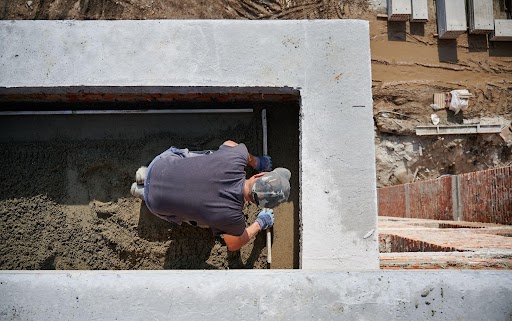
A concrete core may look like nothing more than a neat circular hole cut into a slab or wall. Yet beneath that simple appearance is a material designed to perform a specific structural job. Removing even a small section can therefore raise questions about strength, reinforcement, hidden services, and the location of the opening. For anyone working with an existing building, understanding these factors is more important than simply deciding where the drill should go. A concrete coring company in Dubai may be brought in to create an opening, but the structural implications need to be considered before the equipment starts cutting.
A Core Changes the Concrete, Even If the Opening Looks Small
Concrete elements work as part of a larger structural system. Slabs transfer loads, walls may provide support or stability, and beams are designed to handle particular forces. Removing a cylindrical section means removing some of the material that was present when that element was designed.That does not mean every core automatically creates a structural problem.
The effect depends on several factors, including the diameter and depth of the opening, its position, the type of concrete element involved, and the loads acting around it. Consider two holes of exactly the same size. One might pass through a relatively insignificant area, while another could be located close to a critical support or an area containing important reinforcement. Treating both situations as identical would overlook the way structures actually behave.
Reinforcement Is Part of the Story
Concrete and steel reinforcement are designed to work together. While concrete performs well under compression, reinforcement helps the structural element resist tension and other forces. The position of those bars is not random. Their arrangement forms part of the original structural design. This creates an important consideration during coring. If a proposed opening intersects reinforcement, the consequences need to be understood before that reinforcement is cut.
Sometimes the location of a hole can be adjusted to avoid a bar. In other situations, the reinforcement may be serving a particularly important function, making the proposed opening more complicated. The answer cannot be determined simply by looking at the concrete surface.
Available structural drawings can provide valuable information, but existing buildings do not always match their original documentation perfectly. Alterations may have taken place over the years, drawings may be incomplete, or conditions on site may differ from what was originally recorded.
Hidden Elements Can Turn a Simple Hole Into a Complicated Problem
Concrete is rarely as empty inside as it looks from the surface. Electrical conduits, plumbing lines, reinforcement, and other embedded components may run through the area selected for drilling. Post-tensioned structures require even greater care because their tensioning elements contribute to the structural system. For this reason, a concrete coring company in Dubai must consider what could be concealed within the proposed drilling area before work begins. Accidentally damaging an embedded component can create consequences far beyond the original opening.
There is also a practical concern. Striking a hidden pipe can require repairs, while hitting an electrical installation may interrupt work and create safety concerns. An unexpected obstruction can also force the drilling position to change, disrupting other trades and extending the project schedule.
Location Often Matters More Than Diameter
It is tempting to think of a concrete core in simple measurements: 50 millimetres, 100 millimetres, 150 millimetres and so on. Diameter is certainly relevant, but it is only one part of the decision. The position of the opening can have a much greater influence on its significance. An opening near a support, beam, column or heavily reinforced zone deserves careful consideration.
The same applies where multiple openings are being created close together. Several individually small penetrations may collectively affect an element differently from one isolated opening. Their spacing, depth and relationship with existing reinforcement can all become relevant.
For this reason, moving a proposed hole by a short distance can sometimes make a meaningful difference, but that decision should not be based on guesswork. The new location still needs to be checked against the structural and building-services information available. A good coring plan is therefore less about finding the quickest place to drill and more about finding an appropriate place to create the required opening.
What Should Be Checked Before Drilling?
Before the drill reaches the concrete, a few straightforward questions can help prevent unnecessary complications.
- Why is the opening required?
Understanding its purpose helps determine the required diameter, depth and location. - What type of structural element is being penetrated?
A slab, beam, wall and column do not necessarily respond to an opening in the same way. - What information already exists?
Structural drawings, MEP layouts and records of previous modifications can provide useful background. - Could reinforcement or embedded services be present?
This should be considered before selecting the final drilling point. - Does the opening sit near a critical structural area?
The relationship with supports, loads and other openings deserves attention. - What happens after the core is removed?
The finished penetration may need sealing, protection, repair or additional treatment depending on its purpose and location.
Conclusion
Removing a concrete core may seem like a small modification, but its effect depends on what the opening intersects and where it is located. Concrete scanning can help identify reinforcement and concealed elements before drilling, while structural information provides the wider context needed for a sound decision. The safest approach is to treat every opening as part of the building’s overall structure, not as an isolated hole. Careful planning, verification, and coordination before coring can reduce unnecessary damage, repairs, and project delays while keeping the intended modification on track.
When concrete is modified, knowing what lies beneath the surface helps prevent avoidable complications. Lyca Survey supports this wider assessment by helping project teams understand existing site conditions before drilling begins. For any coring project, the key is simple: verify the structure, confirm the location, and plan the opening carefully before work starts.
Be the first to comment on "When a Concrete Core Is Removed, What Happens to the Structure?"