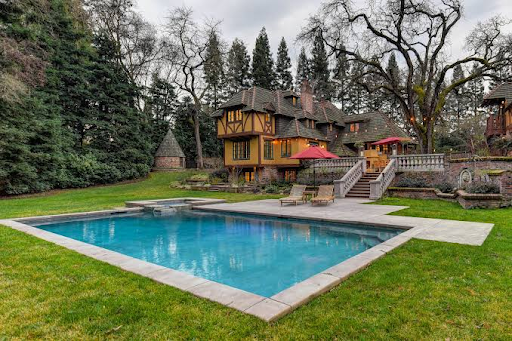
Pools in the Mid-South live through four distinct seasons: muggy summers, wet springs, cool autumns, and winters that swing between mild and hard freezes. Each season stresses equipment in its own way.
Knowing what usually goes wrong, and when, lets owners spot trouble before it grows. Think of this as a calendar for anyone who expects to need swimming pool repair Memphis homeowners rely on at some point.
Spring: Opening Day Surprises
Spring is when winter damage shows itself. Covers come off to reveal cracked fittings, stained surfaces, or water levels that dropped far more than evaporation explains. Pumps that sat idle may fail to prime, and seals can dry out and leak.
Before the first swim, run every piece of equipment and watch for drips, odd noises, and pressure readings outside the normal range. Spring storms also bring debris and heavy pollen that overload filters, so expect to clean cartridges or backwash more often.
Early Summer: Chemistry Under Pressure
Heat and sunshine consume sanitizer quickly, and busy weekends add more demand. Water that turns cloudy or green is usually a chemistry problem, but it can also point to a failing pump or clogged filter that is not circulating properly.
The CDC’s guidance for home pools says to test chlorine and pH at least twice a day when the pool is in heavy use, and to keep pH between 7.0 and 7.8. Unbalanced water also speeds wear on equipment and surfaces, creating more calls for swimming pool repair Memphis residents could have avoided.
Midsummer: Equipment Works Its Hardest
July and August push pumps and motors to their limits. Heat shortens the life of weak capacitors, and motors that run constantly can overheat. Signs of trouble include humming without starting, tripped breakers, and a pump that runs hot to the touch.
Algae also thrives in warm water, and stubborn growth can hide in corners with poor circulation. If cleaning does not keep up, the issue may be a return line, a valve, or an aging pump. A technician offering swimming pool repair Memphis homeowners trust can trace the circulation problem to its source.
Autumn: Leaves, Clogs, and Quiet Leaks
Fallen leaves clog skimmers and baskets, which starves the pump of water. Running a pump dry damages it quickly, so check baskets often. Cooler weather also makes small leaks easier to notice because evaporation slows, and a steady drop in water level tells a clearer story.
A simple bucket test can help: mark the water level in a bucket set on a step and compare it to the pool over a day. A bigger drop in the pool suggests a leak worth professional attention.
Winter: Freeze Protection and Planning
Water expands as it freezes, and trapped water can split pipes, filters, and pumps. Even in a mild climate, a hard freeze can arrive quickly. Owners should know whether their equipment needs to run during cold snaps or be drained, and should keep it protected.
Winter is also the best time to plan larger projects. Contractors are less busy, so resurfacing, equipment upgrades, and structural work are easier to schedule. Booking in the off-season can mean shorter waits and more flexible timing for swimming pool repair Memphis residents want finished before spring.
Build a Simple Habit
A short monthly checklist goes a long way: inspect equipment for leaks, check the water level, test chemistry, clean baskets and filters, and write down pressure readings. Small notes make patterns obvious. If numbers drift or noises change, call early. Minor repairs cost far less than emergency fixes in July. Even ten minutes a month spent on this routine can head off a major swimming pool repair Memphis owners would otherwise face in peak season.
When to Stop Troubleshooting and Call for Help
Some problems are yours to fix: emptying baskets, adjusting chemicals, backwashing a filter. Others are not. Call a professional when you see electrical issues, such as tripped breakers or a hot motor, persistent leaks, cracked equipment, or water that stays green after chemistry is corrected. Working with electricity near water carries real danger, and amateur repairs can void warranties.
Describe symptoms and share your log of readings when you call. Reputable teams offering swimming pool repair Memphis homeowners depend on will ask good questions, offer an inspection, and explain the options before work begins.
Why Prevention Pays
Preventive care costs less than emergency service. Replacing a worn seal costs a fraction of a burned-out motor, and a repaired return line costs less than a pool that has leaked all summer. Owners who budget for yearly servicing treat swimming pool repair Memphis residents schedule in the off-season as maintenance, not crisis.
Conclusion
Seasonal awareness turns pool ownership from a series of surprises into a manageable routine. Check equipment in spring, watch chemistry in summer, clear debris in autumn, and protect against freezes in winter. When problems exceed what you can handle, a qualified professional for swimming pool repair Memphis owners trust will keep small issues from becoming expensive ones.
Be the first to comment on "A Year in the Life of a Mid-South Pool: What Breaks, and When"