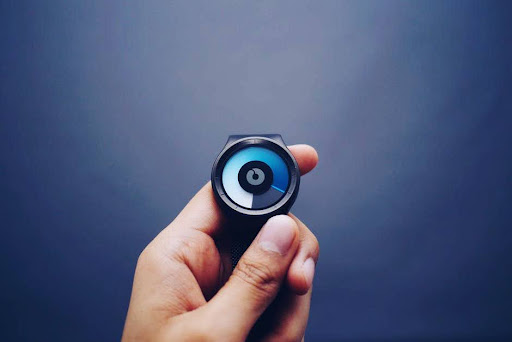
The wearable technology market has grown dramatically over the past decade, evolving far beyond simple fitness trackers and step counters. Today, wearables are integrated into virtually every sector—healthcare, sports, wellness, safety, enterprise, military, and even fashion. From smartwatches that monitor heart rate and sleep quality to medical wearables that track vital signs in real time, the demand for intelligent, compact, and user-friendly wearable devices continues to surge.
At the heart of this revolution lies wearable product development, a multidisciplinary process that blends innovative design with advanced engineering to create devices that seamlessly integrate into users’ daily lives. Building a successful wearable requires expertise in hardware design, sensors, embedded software, connectivity, ergonomics, user experience, and data analysis.
What Is Wearable Product Development?
Wearable product development refers to the end-to-end process of designing, engineering, prototyping, and manufacturing wearable technologies. These products are typically compact, lightweight, body-friendly devices worn on the wrist, head, chest, or integrated into clothing. Successful wearables must achieve a delicate balance between:
- Comfort and ergonomics
- Accurate data collection
- Visual appeal and aesthetics
- Long battery life
- Secure connectivity
- User-friendly software interfaces
Wearable product development encompasses multiple disciplines, including:
- Industrial design
- Electronic engineering
- Sensor integration
- Embedded firmware development
- Mechanical engineering
- Prototyping and testing
- Mobile app and cloud software development
- Data analysis and AI integration
Because wearables directly interact with the human body, their design requires additional considerations related to comfort, safety, and durability.
Why Wearable Product Development Matters Today
1. Growing Consumer Demand
Users crave devices that provide personalized insights, enhance convenience, and support daily activities. Wearables offer real-time data that empowers users to track health, productivity, and performance.
2. Expanding Applications Across Industries
Wearable technologies are now common in:
- Healthcare and medical monitoring
- Industrial safety solutions
- Sports performance analysis
- Remote patient diagnostics
- Military training
- Smart textiles and fashion
- Elderly care and fall detection
Their versatility makes wearable product development one of the fastest-growing tech sectors.
3. Rising Importance of Data-Driven Insights
Wearables collect valuable data such as:
- Heart rate
- Blood oxygen levels
- Steps and movement pattern
- ECG
- Temperature
- Stress indicators
- Sleep cycles
Such data supports better decision-making for consumers, businesses, and healthcare providers.
4. Competitive Differentiation Through Innovation
Brands can stand out by creating unique wearable devices that combine aesthetic appeal with high-performance features.
The Wearable Product Development Process
Wearable product development is complex, with many engineering and design challenges. Below is a comprehensive breakdown of the typical development lifecycle.
1. Market Research and Requirement Analysis
Every successful wearable begins with a deep understanding of:
- Target users
- Market gaps
- Functional requirements
- Regulatory needs (especially for medical wearables)
- Competitor landscape
This stage defines the scope, goals, and expected outcome of the project.
2. Concept Ideation and Industrial Design
Industrial designers create early sketches and mockups, focusing on:
- Aesthetics
- Ergonomics
- User comfort
- Materials
- Form factor
A wearable must feel natural and comfortable during prolonged use, so human-centered design principles are essential.
3. Hardware Engineering and Sensor Integration
The hardware design stage includes selecting:
- Sensors (accelerometers, ECG, PPG, gyroscopes, temperature sensors, etc.)
- Microcontrollers (MCUs)
- BLE, Wi-Fi, or cellular modules
- Battery and power management components
- Display units (if applicable)
Wearable hardware must be compact, lightweight, energy-efficient, and durable enough to withstand daily wear.
4. Firmware and Embedded Software Development
Firmware enables communication between sensors, hardware, and external devices. Embedded software functions include:
- Data collection
- Power optimization
- Wireless communication
- Device-to-app synchronization
- OTA firmware updates
A wearable’s reliability depends heavily on its firmware efficiency and stability.
5. Mechanical Engineering and Prototyping
Mechanical engineers create 3D models and prototypes to test:
- Structural integrity
- Material comfort
- Fit against the human body
- Resistance to sweat, water, or impact
Rapid prototyping allows for fast iterations before finalizing the design.
6. Mobile App and Cloud Platform Development
Wearables rely on software ecosystems that visualize and analyze collected data. App and cloud development includes:
- User dashboards
- Real-time data sync
- Notifications and alerts
- Health trend analysis
- AI-driven recommendations
This is crucial for delivering a seamless user experience.
7. Testing and Quality Assurance
Testing must be extensive and covers:
- Electrical safety
- Wireless performance
- Sensor accuracy
- Battery life
- Comfort and usability
- Compliance certifications (CE, FCC, FDA for medical wearables, etc.)
Wearables undergo rigorous real-world testing due to their constant contact with human skin.
8. Manufacturing and Production
Once the design is validated, wearable product development shifts to manufacturing preparation. This includes:
- Tooling and mold development
- Selecting materials
- Supplier management
- Production line setup
- Quality control processes
Scalability and cost optimization become priorities at this stage.
Challenges in Wearable Product Development
1. Balancing Size and Functionality
Wearables must be compact yet powerful—packing multiple sensors, processors, and batteries into tiny spaces.
2. Battery Life
Small devices mean small batteries, making power optimization essential.
3. Data Accuracy
Incorrect sensor readings lead to poor user trust and product failure.
4. Regulatory Compliance
Medical wearables require strict validation and approval.
5. Durability and Comfort
Wearables must be resistant to sweat, moisture, and daily wear without irritating the skin.
Benefits of Effective Wearable Product Development
- Higher user engagement
- Real-time monitoring and insights
- Stronger brand reputation
- Industry-specific solutions that solve real problems
- Revenue opportunities in growing markets
- Competitive advantage through innovative features
Businesses investing in wearable product development are well-positioned to capitalize on the global shift toward personalized, data-driven technologies.
Frequently Asked Questions (FAQ)
1. What is wearable product development?
Wearable product development is the process of designing, engineering, prototyping, and manufacturing wearable technologies like fitness trackers, smartwatches, medical monitors, and smart clothing.
2. How long does it take to develop a wearable device?
Depending on complexity, it usually takes 6–18 months to design, prototype, test, and manufacture a wearable product.
3. What industries benefit most from wearables?
Industries include healthcare, sports, wellness, manufacturing, military, and eldercare.
4. What are the biggest challenges in wearable product development?
Challenges include battery life optimization, sensor accuracy, comfort, regulatory compliance, miniaturization, and durability.
5. How much does wearable product development cost?
Costs vary based on the device type, sensors, software complexity, and manufacturing requirements. Most companies provide custom estimates.
6. Do wearables require mobile apps?
Most modern wearables use mobile apps for data visualization, cloud syncing, and AI-enabled insights.
Disclaimer
This article is for informational purposes only and does not constitute professional engineering, business, or legal advice. wearable product development technology should consult qualified engineers, regulatory consultants, and industry experts before initiating product development or making technical decisions.
Be the first to comment on "A Complete Guide to Wearable Product Development"