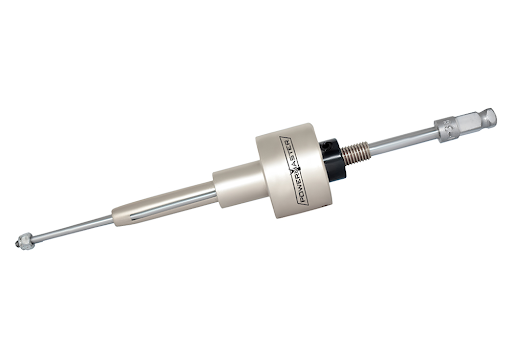
Maintaining industrial heat exchangers is important to get the best performance and longest life out of the equipment. Effective maintenance requires the right Heat exchanger maintenance tools to monitor, inspect and clean different components. The use of the right tools will help to prevent downtime of operations and cut back on energy usage and costly repairs. Regular maintenance not only protects efficiency, but it also protects the safety of industrial operations.
Understanding Heat Exchanger Maintenance
Heat exchangers are operated at high temperatures and pressures, and it is susceptible to fouling, scaling and corrosion. To keep operating at peak efficiency, regular inspection and maintenance are required. This includes checking for leaks, checking the thermal performance and ensuring that all moving parts are functioning properly. Maintenance routines should be on a schedule based on the manufacturer’s recommendations and the conditions in which the facility is operated.
Key Maintenance Practices
- Routine Inspections: Visual inspections and thermal imaging to detect problem areas early. Wear, corrosion or leaks can be detected, preventing major failures.
- Monitoring Performance: Monitoring the temperature differential and pressure drops can be used to identify fouling or blockages. Early detection permits early, timely intervention.
- Lubrication and Mechanical Checks: Regular lubrication of pumps, valves, and other moving parts is important to ensure smooth operation and reduce mechanical stress.
Importance of Tube Cleaning
Over time, deposits and scale can accumulate inside the tubes of a heat exchanger, creating inefficiency. Tube cleaning is an important aspect of Prevention Maintenance. Clean tubes increase heat transfer, minimize pressure losses and increase equipment life. There are a number of different methods employed depending on the degree of fouling and the type of exchanger:
- Mechanical Cleaning: Cleaning is done physically using brushes, scrapers or special rods.
- Chemical Cleaning: Some chemicals are available that will dissolve scale or biological growth without the need to damage the tubes.
- High-Pressure Water Jetting: A jet of water can be used to efficiently get rid of stubborn debris inside the tubes.
Proper cleaning of tubes also reduces the chances of corrosion and ensures that the system is continuously running and not in for unexpected shutdowns.
Using the Right Tools for the Job of Maintenance
Selecting the right maintenance tools to provide high-quality inspection and safe cleaning operations. Commonly, tools such as tube brushes, cleaning pigs, ultrasonic thickness gauges and leak detectors are used. Using substandard or inappropriate tools can result in the damages of equipment or inaccurate readings, leading to increased costs of maintenance in the long run.
- Efficiencies for Effective Maintenance
- Schedule maintenance during low-demand periods to avoid much disruption in operations.
- Maintain records of inspections, cleaning schedules and repairs to track performance long term.
- Train employees on how to handle maintenance tools so that they are safe and effective.
Constantly update cleaning methods in accordance with technical progress in tube cleaning machines.
Conclusion
Regular maintenance and proper cleaning of the tubes are important in order to keep heat exchangers operating efficiently. By using the correct tools and following a scheduled maintenance routine, industries can avoid expensive repairs, energy costs, and prolong the life of their equipment. Investing in quality tools and trained personnel can ensure consistent performance and safety.
For quality maintenance solutions and high-quality tools, POWERSMASTER AMERICA LLC has a wide variety of products and services to deliver maximum heat exchanger efficiency and minimize downtime. Trust them for all your industrial maintenance needs.
Be the first to comment on "Industries Heat Exchanger- Best Practices for Efficient Heat Exchanger Performance"