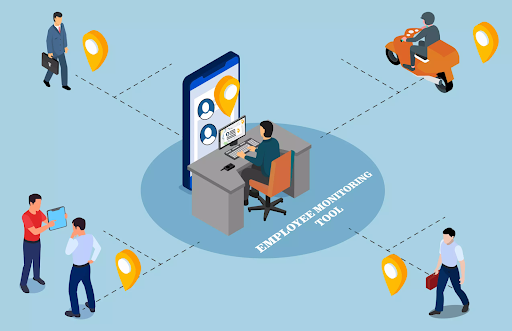
Enhancing employee performance without compromising trust fas become a critical challenge for modern organizations. The increasing use of digital tools has made workforce productivity monitoring more prevalent. However, excessive reliance on such practices can be counterproductive. It is essential for leaders to maintain a balance between accountability and respect for individual autonomy. When implemented with care, monitoring can drive improved outcomes while safeguarding employee morale.
Why Productivity Monitoring Matters
Modern businesses rely on digital workflows. Emails, project tools, and messaging systems capture daily activity. Monitoring these traces gives leaders insights into performance trends, resource use, and bottlenecks. Companies that measure productivity make faster, data-driven decisions.
But numbers tell only part of the story. Employees also deserve recognition for creativity, problem-solving, and collaboration. Leaders who only chase raw data risk ignoring these vital contributions. Balancing oversight with trust ensures monitoring improves performance without discouraging initiative.
Benefits of Monitoring Tools
Monitoring tools can provide clear advantages when applied thoughtfully. They help leaders and teams identify problems and opportunities that may not be visible otherwise.
- Identify bottlenecks: Leaders can see where processes slow down, such as repeated delays in approval cycles.
- Boost efficiency: Data highlights tasks that create the most value and allows reallocation of effort.
- Support compliance: In regulated fields, monitoring backs up audits, legal checks, and documentation.
- Enable remote work: In hybrid setups, visibility ensures employees remain connected and accountable.
When used responsibly, these tools serve as a support system for employees. The focus should always remain on guidance, not surveillance, so teams feel empowered rather than pressured. Ultimately, the value of monitoring lies in helping people work smarter, not harder.
Risks of Excessive Oversight
While monitoring offers benefits, overuse can quickly lead to negative outcomes. Employees who feel constant surveillance often disengage or lose trust in their leaders.
- Lower morale: Strict oversight signals distrust and creates unnecessary pressure.
- Reduced creativity: People chase measurable outputs instead of developing fresh ideas or problem-solving skills.
- Higher turnover: Distrust pushes talent toward healthier environments where they feel respected.
Excessive oversight also creates a culture of fear. Employees may avoid experimentation because they worry about metrics. Over time, this stifles innovation and hurts long-term business growth. A balanced and transparent approach ensures oversight improves productivity without harming relationships.
Building Trust While Monitoring
To make monitoring effective, leaders must combine oversight with trust. Several strategies can help organizations strike this balance.
- Be Transparent: Explain clearly what you track and why. Employees accept monitoring more when they understand its purpose.
- Focus on Outcomes: Evaluate whether employees deliver quality work on time instead of tracking every click.
- Encourage Feedback: Invite employees to share their views on monitoring practices. This creates collaboration instead of resistance.
- Recognize Achievements: Use data to celebrate wins, not just spot gaps. Recognition builds morale and confidence.
When organizations adopt these practices, employees begin to view monitoring as a tool for growth rather than control. Trust grows stronger when workers feel that leaders value their contributions, not just their numbers.
Ethical Use of Monitoring Data
Leaders must handle monitoring data with care. Protecting privacy strengthens trust and avoids misuse. Limiting access, anonymizing data, and regularly reviewing policies ensure fairness.
For example, a company may collect logs but remove personal identifiers when studying patterns. Another may set strict rules so managers only access team-relevant data. Some businesses share summary reports with staff to promote openness. These practices reinforce the idea that data supports growth rather than punishment.
Ethical monitoring also respects cultural expectations. What feels acceptable in one region may seem intrusive in another. Organizations must stay aware of these differences to maintain fairness across diverse teams.
The Role of Technology
Technology now offers advanced analytics and dashboards. AI-driven tools highlight trends, flag inefficiencies, and even predict potential risks. Still, technology should serve people, not replace trust. Leaders must adopt systems that promote transparency and employee growth.
Clear guidelines prevent misuse. When employees see tools designed to make their jobs easier, they adopt them more willingly and use them productively. At the same time, leaders should provide training so staff understand how the tools work. This turns technology into a partner in performance rather than a source of anxiety.
Finding the Middle Ground
Every organization needs to define its own balance between oversight and trust. Successful leaders usually follow simple but effective practices:
- Align workforce productivity monitoring goals with company values.
- Use data to inform, not punish.
- Respect boundaries between work and personal privacy.
These actions create a workplace where employees feel supported, while leaders gain valuable insights. The middle ground becomes the foundation for sustainable productivity.
Conclusion
Workforce productivity monitoring will remain a vital part of modern management. The real challenge is applying it responsibly. Numbers matter, but trust, communication, and fairness matter even more.
By striking the right balance between oversight and respect, organizations can improve productivity while maintaining a positive culture. That balance ensures employees thrive, innovation continues, and businesses grow with confidence in a competitive environment.
Be the first to comment on "Workforce Productivity Monitoring: Striking the Right Balance Between Oversight and Trust"