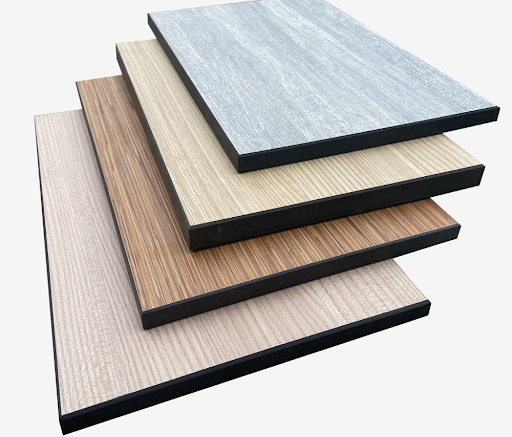
Modern architecture and interior design depend on materials that balance durability, aesthetics, and cost efficiency. Among these, High-Pressure Laminates (HPL) are widely used in residential, commercial, and industrial spaces. These engineered sheets replicate natural textures like wood, stone, fabric, and abstract patterns while delivering strong performance under demanding conditions.
In the surface materials industry, a high pressure laminate supplier plays an important role in providing consistent, high-quality materials that meet both functional and visual requirements. They connect large-scale manufacturing with practical applications, making HPL suitable for furniture, interiors, and architectural projects. High-pressure laminates are advanced composite materials designed for strength, longevity, and versatile modern design use.
What is High-Pressure Laminate Technology?
High-Pressure Laminate is a composite material made by bonding multiple layers of paper with thermosetting resins under high heat and pressure. The structure typically includes:
- A protective overlay layer for surface resistance
- Decorative printed paper that defines the visual appearance
- Kraft paper layers that provide core strength
- Phenolic and melamine resins that bind everything together
These layers are stacked and fused into a solid sheet through a controlled industrial process. The result is a non-porous, rigid, and highly durable surface material.
Unlike natural materials, HPL does not depend on natural variability, which ensures consistency in color, texture, and performance across large production batches. This makes it ideal for commercial projects where uniformity is essential.
The Manufacturing Process of High-Pressure Laminates
The production of HPL is a highly technical process that involves precision at every stage.
Preparation of Raw Materials
Each layer of paper is carefully selected and impregnated with specific resins. Decorative sheets are printed using advanced techniques to replicate natural materials or create unique design patterns.
Layer Stacking
The treated papers are stacked in a precise order. The top layer determines appearance, while the inner layers contribute to strength and rigidity.
Heat and Pressure Compression
The stacked layers are placed into hydraulic presses where they are subjected to extreme pressure and temperatures above 120°C. This process causes the resins to melt and bond the layers permanently into a single sheet.
Cooling and Stabilization
Once pressed, the sheets are cooled under controlled conditions to stabilize the structure and prevent warping.
Cutting and Surface Finishing
The hardened sheets are trimmed into standard sizes and finished with surface treatments such as matte, gloss, textured, or anti-fingerprint coatings.
Quality Control Inspection
Each sheet is tested for durability, thickness consistency, color accuracy, and surface resistance before being distributed.
This systematic manufacturing process ensures that HPL sheets meet industrial-grade performance standards.
Key Characteristics of High-Pressure Laminates
High-pressure laminates offer a combination of physical and visual advantages that make them suitable for a wide range of applications.
High Durability
HPL surfaces are resistant to scratches, impact, and general wear, making them suitable for high-traffic environments.
Heat and Moisture Resistance
They perform well under heat exposure and humid conditions, making them ideal for kitchens, bathrooms, and commercial interiors.
Design Versatility
Available in a wide range of textures, colors, and finishes, HPL allows designers to achieve almost any aesthetic style.
Low Maintenance Requirements
The non-porous surface prevents dirt absorption and makes cleaning simple and efficient.
Cost Efficiency Compared to Natural Materials
HPL provides the appearance of wood, marble, or stone at a significantly lower cost while maintaining durability.
Applications of High-Pressure Laminates in Modern Industries
HPL is widely used across multiple sectors due to its adaptability and performance characteristics.
Furniture Manufacturing
One of the largest applications of HPL is in furniture production. It is used for wardrobes, cabinets, tables, desks, and modular furniture systems due to its resistance to daily wear.
Interior Wall Paneling
HPL sheets are used to create decorative wall surfaces in homes, offices, hotels, and retail environments.
Commercial Interiors
Corporate offices, hospitals, educational institutions, and shopping complexes use HPL for both functional and decorative surfaces.
Kitchen and Bathroom Surfaces
Due to its moisture resistance, HPL is commonly used in kitchen cabinets, countertops, and bathroom partitions.
Exterior Cladding Applications
Special grades of HPL are used in exterior facades where weather resistance and UV protection are required.
Advantages of High-Pressure Laminate Technology
The popularity of HPL is driven by its ability to solve multiple design and engineering challenges at once.
One major advantage is its stability. Unlike wood, it does not expand or contract significantly with environmental changes. It also resists fungal growth, moisture damage, and surface staining.
Another advantage is its scalability. HPL can be manufactured in large quantities with consistent quality, making it ideal for bulk commercial projects.
Additionally, it supports design innovation. Manufacturers can create custom textures, digital prints, and specialized finishes based on project requirements.
Role of High-Pressure Laminate Suppliers in the Industry
A high-pressure laminate supplier plays a critical role in the construction and interior design supply chain. These suppliers are responsible for ensuring that high-quality laminate sheets are available in various designs, thicknesses, and finishes.
They also assist architects and contractors in selecting the right material based on application needs. For example, a retail store may require glossy decorative sheets, while an office environment may prefer matte or textured finishes.
Suppliers often provide technical support, bulk order management, and customization services to meet project-specific requirements. In large infrastructure and commercial projects, timely delivery and consistent quality from suppliers are essential for maintaining project schedules.
Conclusion
High-pressure laminates offer a durable, stylish, and cost-effective solution for modern interior and exterior applications. Their strength, design versatility, and low maintenance make them ideal for diverse projects. A high pressure laminate supplier ensures access to advanced, high-quality sheets that meet industry standards and project requirements. With advanced manufacturing and consistent quality standards, HPL continues to support evolving architectural needs, making it a reliable choice for furniture, commercial spaces, and decorative surface applications across industries.
In modern construction and design markets, Virgo Laminates specializes in high-quality, high-pressure decorative laminates designed for modern interior and architectural applications. The Virgo company offers manufacturing of durable HPL sheets, customized design options, surface finish variations, and bulk supply solutions for large projects. Their services support furniture makers, architects, and builders with reliable and stylish materials. Virgo Laminates focuses on consistent quality, innovative designs, and practical solutions for residential, commercial, and industrial interior requirements.
Be the first to comment on "Decorative Sheet Technology: How High-Pressure Laminates Work"