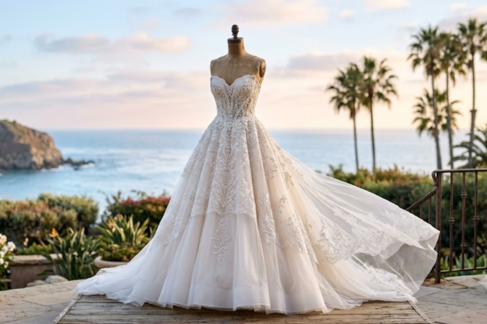
Wedding gowns are more than just garments—they are emotional keepsakes that carry memories of one of life’s most important milestones. In a diverse and climate-sensitive region like California, timing plays a crucial role in how well a wedding dress can be preserved.
From coastal humidity to inland heat and wildfire exposure, environmental factors can quickly affect delicate fabrics if preservation is delayed. Understanding the best time to preserve your gown ensures it remains as beautiful as the day you wore it for years, or even generations, to come.
Understanding California’s Climate and Its Impact on Wedding Gowns
California has one of the most varied climates in the United States, and this directly influences how wedding dresses age after use. Coastal regions such as Los Angeles, San Diego, and San Francisco experience mild but humid air, while inland areas like Sacramento or the Central Valley often face dry heat and dust exposure.
Humidity is particularly problematic for wedding gowns because it can encourage mildew growth and fabric weakening. Even invisible moisture trapped in silk, satin, or lace can slowly degrade fibers. On the other hand, dry heat can cause fabrics to become brittle, and exposure to smoke during wildfire seasons can leave microscopic particles that oxidize over time, resulting in discoloration.
Because of these environmental variations, California brides must be more proactive about preservation timing than those in more stable climates.
Best Time to Preserve Your Wedding Gown in California
The ideal time for wedding dress preservation in California is within 1 to 4 weeks after the wedding, regardless of location. However, in California, this timeline becomes even more important due to climate-related risks.
If you had a beach wedding in Southern California, immediate attention is critical due to salt exposure and moisture. If your wedding took place in an inland vineyard or desert setting, dust and heat can accelerate staining and fabric breakdown.
The safest approach is:
- Within 24–72 hours: Hang and air out the gown in a cool, shaded area
- Within 1 week: Ensure it is inspected for visible stains
- Within 2–4 weeks: Begin professional cleaning and preservation
Delaying beyond a month significantly increases the risk of permanent oxidation stains, especially for food, wine, makeup, and perspiration marks.
Why Timing Matters for Wedding Dress Preservation
Timing is one of the most important factors in successful wedding dress preservation. Many stains are invisible at first but become permanent over time due to oxidation. For example, champagne spills or sweat marks may not be visible immediately but will darken within days or weeks.
In California weddings, this issue is often amplified due to outdoor celebrations. Beach ceremonies, garden receptions, and vineyard weddings expose gowns to natural elements such as sand, pollen, and humidity.
Once these contaminants settle into fabrics like tulle, organza, or silk, they bond at a molecular level. This makes them significantly harder—or sometimes impossible—to remove if preservation is delayed.
Preserving your gown quickly ensures:
- Prevention of yellowing and oxidation
- Removal of invisible sugar-based stains
- Protection against mildew in humid regions
- Maintenance of fabric softness and structure
Regional Differences Across California Brides Should Consider
Different parts of California present unique challenges for wedding gown care.
In coastal regions like San Francisco and Los Angeles, moisture in the air can seep into fabric layers even when the dress appears dry. This increases the risk of mildew if the gown is stored improperly after the wedding.
In inland areas such as Fresno or Bakersfield, high temperatures can cause sweat stains and makeup residues to set faster into fabric fibers.
In wine country weddings, popular in Napa Valley, red wine spills and outdoor dust are common risks. These require immediate professional attention because tannins in wine can permanently stain fabric if left untreated.
Even mountain or forest weddings, while scenic, may expose gowns to pine sap, ash, or smoke particles—each of which requires specialized cleaning methods.
Signs You Should Preserve Your Wedding Dress Immediately
Even if you are unsure about professional cleaning timing, certain signs indicate that your gown needs immediate attention:
- Visible stains from food, drinks, or makeup
- Exposure to outdoor elements like sand or grass
- Noticeable body oils or sweat marks
- Exposure to smoke from candles or wildfire haze
- Fabric feeling damp, stiff, or unusually heavy
If any of these are present, delaying preservation can permanently damage the gown’s delicate fibers. In California’s variable climate, these issues can worsen quickly due to temperature fluctuations.
Professional Wedding Dress Preservation Process in California
Most professional services in California follow a multi-step preservation process designed to protect delicate fabrics for decades.
First, the gown undergoes a detailed inspection to identify stains and fabric types. This step is crucial because California weddings often involve mixed environments, from beaches to ballrooms.
Next, specialized cleaning techniques are used depending on fabric type. Silk, lace, and satin are treated differently to prevent shrinkage or texture damage. Advanced cleaning solutions target both visible and invisible stains.
After cleaning, the gown is carefully preserved using acid-free materials and museum-quality storage boxes. These materials help prevent yellowing caused by oxidation and protect the fabric from humidity changes common in California’s coastal air.
Finally, the gown is sealed to prevent exposure to dust, light, and pests, ensuring long-term preservation.
Tips for California Brides to Extend Gown Life Before Preservation
While waiting for professional preservation, proper handling is essential to avoid damage.
- Store the gown in a cool, dry place away from sunlight
- Avoid plastic bags, which can trap moisture and encourage mildew
- Do not attempt home stain removal, especially on silk or lace
- Keep the gown flat or loosely hung to avoid fabric stress
- Ensure transportation to a cleaner is done in a breathable garment bag
For brides in humid coastal areas, using a dehumidifier in the storage room can further reduce moisture exposure during the short waiting period before preservation.
Conclusion
In a climate as diverse as California, the timing of wedding dress preservation is just as important as the preservation method itself. Whether your celebration took place on a sunny beach, in a rustic vineyard, or in a luxury ballroom, the window for effective preservation is short.
Acting within the first few weeks ensures that stains do not set, fabrics do not degrade, and memories remain perfectly preserved. By understanding regional climate effects and prioritizing early professional care, California brides can safeguard their wedding gowns as timeless heirlooms that retain their beauty for generations.
Be the first to comment on "Wedding Dress Preservation in California: Best Time to Preserve Your Wedding Gown"