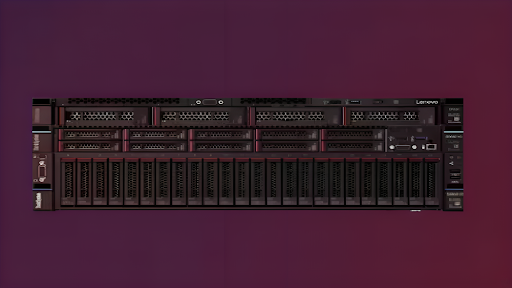
Walk into any modern data center, and you will see rows of sleek metal cabinets. These cabinets hold rack servers. Businesses today need servers that work fast and take up less space. They stack neatly on top of each other like building blocks. This design saves valuable floor space while delivering powerful performance. Companies of all sizes now prefer rack servers over traditional tower servers. The shift happened because these servers offer better value and easier management. Small startups use them just as much as giant tech companies do.
Understanding why rack servers became so popular helps explain modern technology. Let’s explore what makes these servers the top choice for businesses everywhere.
1. Space Efficiency Makes a Real Difference
Rack servers fit into standard 19-inch cabinets. Each server unit takes up very little vertical space. Most servers are just 1U tall. One U equals 1.75 inches in height. In many growing data rooms, rack servers help teams stack dozens of systems in one cabinet. This vertical layout frees a lot of floor space and keeps the area neat and clear.
Traditional tower servers sit on the floor like desktop computers. They spread out horizontally. A single tower server might need several square feet of floor space. Compare that to a rack server where 40 units fit in one cabinet. The space savings become apparent quickly.
As per a report, the global market of data centre rack servers is skyrocketing. It is expected to hit $247.09 billion by the end of 2032.
How Businesses Benefit from Compact Design
Data centers charge rent based on floor space. Less space means lower costs. Rack servers help companies save thousands of dollars every month. The compact design also improves airflow management. Better airflow keeps servers cooler and running smoothly.
Small businesses often start in a limited office space. Rack servers let them build a powerful IT infrastructure without renting additional rooms. The space efficiency scales as companies grow. Adding new servers becomes as simple as sliding another unit into the rack.
2. Better Cable Management Keeps Things Organized
Rack cabinets are equipped with internal cable management systems. These systems make sure that the power cords and network cables are arranged properly.
Finding and fixing problems becomes much easier with organized cables. Technicians can trace any cable from start to finish quickly.
- Reduced cable clutter improves airflow around servers.
- Organized wires make maintenance tasks simpler and faster.
- Clear cable paths prevent accidental disconnections during work.
- A professional appearance impresses clients during facility tours.
3. Easier Cooling Solutions Lower Energy Bills
Rack servers align in neat rows. This alignment creates hot aisles and cold aisles. Cold air flows in from the front. Hot air exhausts out the back. The predictable airflow pattern makes cooling much more efficient.
Tower servers scatter randomly around a room. Air conditioning must cool the entire space evenly. This approach wastes energy cooling empty areas. Cooling systems can target these zones precisely.
Smart Ventilation Cuts Costs
Many rack cabinets include fans and ventilation panels. These features work together with room cooling systems. The approach combining both methods results in a significant decrease in overall energy consumption. The usage of less power results in lower electric bills each month.
- Temperature sensors monitor conditions inside each rack.
- Automated systems adjust cooling based on actual needs. Servers running heavy workloads get more cooling. Idle servers need less.
- This smart management prevents energy waste while protecting hardware.
4. Scalability Grows with Your Business
Adding capacity to tower server setups creates chaos. Each new server needs its own space on the floor. Cable runs get longer and more complicated. The setup becomes messier with every addition.
- Companies can start with just a few servers and expand gradually.
- Growth happens without disrupting existing operations or layouts.
- Budget-friendly expansion lets businesses scale at their own pace
- Empty rack space waits ready for future needs and opportunities
Planning for growth becomes straightforward with racks. A business might fill only 10 slots initially. The remaining 30 slots stand ready for future expansion. This flexibility helps companies avoid expensive upgrades later.
5. Redundancy Features Prevent Downtime
Rack servers often include hot-swappable components. Power supplies can be replaced while servers keep running. Hard drives swap out without shutting down systems. This redundancy keeps businesses operating during hardware failures.
Tower servers typically lack these advanced features. A failed power supply means shutting down the entire system. Changing parts takes time during which the equipment is out of service. Even a single minute of downtime can be a financial loss for companies and a trust issue with their customers.
- Dual power supplies ensure servers stay online if one fails.
- RAID arrays protect data even when hard drives stop working.
- Redundant network connections maintain connectivity during cable problems.
- Hot-swap capabilities let technicians fix issues without service interruptions.
Multiple servers can work together as a cluster. One server handles the workload if another fails. Users never notice the problem. Services continue running smoothly. This high availability matters greatly for critical business applications.
6. Standardized Hardware Reduces Costs
Rack servers follow industry standards for form factors. Manufacturers compete to offer the best features at competitive prices. This competition drives prices down. Businesses get more computing power for less money.
Standardization also simplifies purchasing decisions. Any rack server from any manufacturer fits your infrastructure. You are not locked into one vendor. Freedom to choose creates better negotiating power. Companies can shop around for the best deals.
Shared Resources Lower Total Expenses
- Rack setups allow resource sharing across multiple servers. One powerful network switch serves all servers in the rack.
- One backup system protects data from multiple machines. Shared infrastructure costs less than buying separate equipment for each server.
Conclusion
Rack servers dominate modern data centers for good reasons. They save space while delivering powerful performance. Better organization makes management tasks easier and faster. Employing effective cooling systems can result in a major decline in electricity expenses. In addition, the feature of scaling permits businesses to grow their activities almost without any disruptions. These advantages add up to better value over time. Small companies and large enterprises both benefit from rack server advantages.
Choosing rack servers means choosing reliability and efficiency together. Your business deserves infrastructure that works as hard as you do. They deliver that promise every single day. They represent smart investing in technology that truly matters. The edge they provide over other setups continues growing stronger each year.
Be the first to comment on "What Gives Rack Servers an Edge Over Other Server Setups Today?"