Cold weather calls for comfortable, warm, and practical clothing that helps children enjoy everyday activities throughout the winter season. The right winter clothes for kids provide warmth, protect against chilly winds, and allow easy movement during school, outdoor play, and family outings. From cosy sweaters and thermal wear to padded jackets, hoodies, and winter accessories, a complete cold-weather wardrobe includes several useful layers. Selecting suitable fabrics, accurate sizes, and weather-appropriate designs helps keep children comfortable throughout the day. Understanding the essential clothing options, layering techniques, and care requirements makes winter shopping easier and helps parents prepare for changing temperatures.
Essential Winter Clothes for Kids
A complete winter wardrobe includes clothing for different temperatures, activities, and occasions. Winter clothes for kids should combine warmth, comfort, durability, and ease of movement. Everyday essentials include long-sleeved shirts, sweaters, sweatshirts, warm trousers, jackets, and thermal layers. Accessories such as woollen caps, gloves, scarves, and warm socks provide additional protection when temperatures drop. Lightweight pieces work well for mild winter days, while thicker garments offer extra insulation during colder weather. Selecting versatile clothing items that coordinate easily helps create several outfits without requiring an unnecessarily large wardrobe. Fabric quality and proper fit should remain important considerations when selecting each item.
Warm Jackets and Coats for Cold Weather
Jackets and coats provide an important outer layer during winter. Padded jackets, fleece-lined coats, and wind-resistant designs help retain body heat while protecting against chilly conditions. Lightweight jackets are suitable for mild weather, whereas insulated coats offer greater warmth during colder mornings and evenings. Water-resistant outerwear can also help during light rain or damp conditions. When selecting winter jackets for children, consider comfortable sleeves, secure fastenings, suitable length, and enough room for an additional layer underneath. Breathable materials can reduce excessive sweating during active play. A well-fitted jacket should provide warmth without restricting movement or making everyday activities uncomfortable.
Sweaters, Hoodies, and Sweatshirts
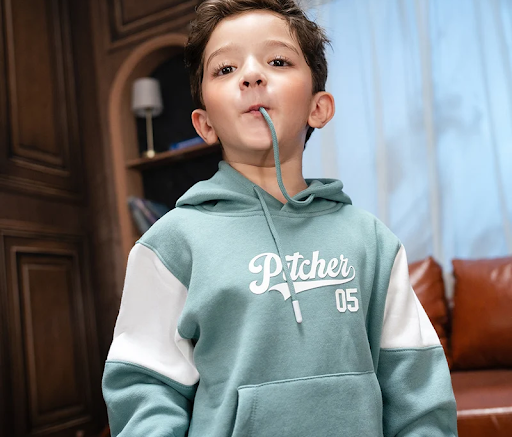
Sweaters, hoodies, and sweatshirts are practical choices for daily winter dressing. Knitted sweaters provide warmth and can be worn over shirts for school, family gatherings, or casual outings. Hoodies offer a relaxed style, while fleece-lined sweatshirts provide extra softness and insulation. Cotton blends are often comfortable for indoor use, whereas wool blends and fleece materials can provide additional warmth depending on their construction. Neutral shades and versatile colours make these garments easy to combine with trousers, jeans, and other winter essentials. Checking the neckline, cuffs, stitching, and fabric softness helps identify garments that remain comfortable during regular wear.
Thermal Wear for Extra Warmth
Thermal clothing creates a useful base layer during particularly cold weather. Thermal tops and bottoms fit close to the body and help retain warmth beneath everyday clothing. Lightweight thermal wear is suitable for layering without adding too much bulk, allowing children to move comfortably throughout the day. Materials such as thermal polyester blends, merino wool, and suitable cotton blends offer different levels of insulation and moisture management. The best choice depends on the weather, activity level, and sensitivity to certain fabrics. A comfortable fit is essential because overly tight garments can restrict movement, while loose base layers may provide less effective insulation.
Warm Trousers, Jeans, and Winter Leggings
Lower-body clothing also plays an important role in maintaining warmth during winter. Fleece-lined trousers, thicker jeans, knitted leggings, and warm joggers offer practical options for school, outdoor play, and everyday activities. Soft waistbands and flexible fabrics improve comfort during sitting, walking, and running. For colder conditions, thermal leggings can be worn beneath regular trousers as an additional layer. Heavier fabrics may provide greater insulation, while breathable materials can help prevent discomfort during active movement. Selecting suitable lengths and checking the fit around the waist, knees, and ankles can improve comfort and reduce the need for frequent adjustments.
Winter Clothes for Kids for School and Outdoor Activities
School clothing should provide warmth while allowing easy movement throughout lessons, breaks, and outdoor activities. Layered outfits are particularly useful because classroom temperatures may differ from outdoor conditions. A long-sleeved shirt, comfortable sweater, warm trousers, and an appropriate jacket create a practical combination for school days. Outdoor activities may require additional protection, including insulated jackets, gloves, and warm socks. Clothing with easy fastenings helps children manage layers independently when appropriate for their age. Durable stitching and fabrics that tolerate regular washing are also valuable features for everyday schoolwear. Practical designs can balance appearance, comfort, and long-term use.
Winter Accessories for Complete Cold-Weather Protection
Winter accessories provide additional warmth to areas that may be exposed to cold air. Hats, gloves, scarves, and thick socks can make outdoor activities more comfortable when temperatures fall. Knitted caps help cover the head and ears, while gloves protect the hands during cold-weather walks and play. Soft scarves provide extra coverage around the neck, although safer alternatives should be considered for younger children because loose accessories can pose hazards. Warm socks made from suitable wool blends or insulating fabrics help keep feet comfortable inside winter footwear. Accessories should match the weather conditions and fit properly without restricting movement or circulation.
How to Choose the Right Fabrics for Children’s Winter Clothing
Fabric selection affects warmth, softness, breathability, and maintenance. Fleece is lightweight, soft, and commonly used in jackets, sweatshirts, and blankets. Wool and wool blends offer useful insulation, although some children may find certain wool fabrics irritating against sensitive skin. Cotton provides comfort and breathability but may retain moisture, making it less suitable as the only layer during wet or very cold outdoor conditions. Synthetic insulated fabrics can offer warmth with relatively little weight. Checking garment labels helps identify the material composition and washing requirements. Soft inner surfaces, durable stitching, and appropriate insulation can improve comfort throughout the winter season.
Layering Tips for Winter Clothes for Kids
Layering is an effective way to adjust clothing to changing temperatures. Instead of relying on one very thick garment, several comfortable layers allow warmth to be added or removed when necessary. A practical winter outfit often includes three basic layers:
- Base layer: A thermal top or comfortable long-sleeved shirt helps manage warmth close to the body.
- Middle layer: A sweater, fleece jacket, or sweatshirt provides insulation.
- Outer layer: A suitable coat or jacket offers additional protection from wind and damp weather.
Adjusting these layers according to outdoor conditions and activity levels can help prevent overheating and discomfort. Indoor layers can be removed when rooms become warm, while an additional jacket or accessories can be added before going outside.
Tips for Buying Winter Clothes for Kids Online
Online shopping offers a convenient way to compare winter clothing styles, sizes, fabrics, and prices. However, checking product details carefully is important before placing an order. Children’s clothing sizes may differ between brands, so age labels alone may not provide an accurate fit. Reviewing size charts and garment measurements helps reduce sizing problems. Product photographs, fabric descriptions, customer reviews, and washing instructions can provide additional information about quality and everyday practicality.
Important factors to check include:
- Size and fit: Allow enough room for comfortable movement and suitable layering.
- Fabric quality: Check softness, insulation, breathability, and durability.
- Weather suitability: Match garment thickness to local winter temperatures.
- Ease of care: Review washing instructions for regular maintenance.
- Value for money: Compare quality, versatility, and price rather than price alone.
- Delivery and returns: Check estimated delivery times and exchange conditions before ordering.
A little research before purchasing can help create a practical winter wardrobe that meets everyday needs.
Caring for Winter Clothes to Maintain Quality
Proper clothing care helps preserve warmth, softness, and durability throughout the winter season. Washing garments according to their care labels can prevent shrinking, fading, and fabric damage. Sweaters and wool garments may require gentle washing, while certain padded jackets need specific cleaning methods to protect their insulation. Drying clothes thoroughly before storage helps prevent unpleasant odours and moisture-related problems. Zippers, buttons, seams, and cuffs should also be checked regularly for signs of wear. At the end of winter, clean garments should be stored in a dry, well-ventilated place. Good maintenance can extend the useful life of winter clothes and reduce unnecessary replacement costs.
Explore Winter Clothes for Kids at Bachaa Party
Bachaa Party provides a convenient shopping destination for children’s clothing, toys, accessories, and other family essentials. For winter shopping, the platform offers a useful place to explore available clothing options and compare styles suitable for different ages and everyday needs. From warm layers to practical seasonal outfits, checking current product listings can help identify suitable choices for school, family outings, and casual wear. Product descriptions, size information, prices, and availability should be reviewed before making a purchase. By bringing children’s shopping categories together in one destination, Bachaa Party can simplify the process of preparing for colder weather while helping families consider comfort, practicality, style, and budget when planning a winter wardrobe.
Be the first to comment on "Winter Clothes for Kids: Complete Cold-Weather Range"