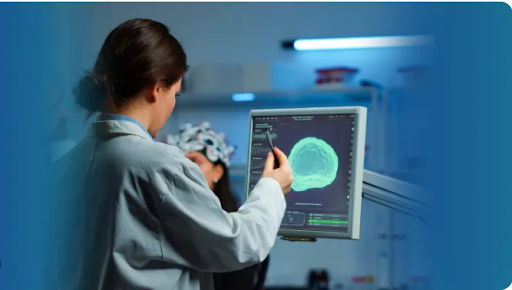
After a fall or accident, clinicians first consider what happened and which parts of the body may have been injured. The direction of impact, pain location, swelling, movement, tenderness and other symptoms can help identify what needs closer assessment. Not every injury requires imaging, and the decision to scan depends on the examination and the possibility of damage that cannot be judged reliably from the outside.
When medical imaging services are requested, the referral usually identifies the injured area and the clinical question. That focus matters because trauma can affect bones, joints, soft tissues or internal organs, and no single scan is ideal for every type of injury.
Different injuries need different views
An X ray may be suitable when a clinician is looking for certain bone or joint injuries. CT can provide detailed cross-sectional images and may be selected when the location or complexity of an injury requires a different view. MRI can be useful for some soft-tissue, joint, spine or neurological questions. The exact choice depends on the circumstances, and patients should not assume that one method is always more complete than another.
The timing of imaging may depend on the injury and the patient’s condition. Some questions need to be answered soon after the event, while others become clearer through follow-up if symptoms persist. Clinicians may also prioritise one body area before another when several injuries are possible. This does not mean that less urgent symptoms are being dismissed. It reflects the need to deal first with findings that could change immediate management.
Sometimes more than one examination is used because each answers a different part of the problem. A first scan may identify an injury clearly, or it may show that another type of image is needed to assess surrounding structures. This staged approach allows the investigation to respond to the findings rather than ordering every possible test from the start.
Imaging can define extent, not just presence
Knowing that an injury exists is only part of the assessment. Images can help clinicians understand location, alignment, severity or involvement of nearby structures where those details are visible with the chosen method. Medical imaging services may also provide a baseline that can be compared with later studies
The images still need to be interpreted in context. Pain can be significant even when a scan does not show a major structural injury, and some findings may be old or unrelated to the accident. The clinician combines the report with examination findings and the way symptoms develop over time.
Changing symptoms may alter the plan
An injury can look different clinically as swelling settles or new symptoms appear. If pain, movement or neurological symptoms change, the patient should follow the care team’s advice about reassessment. A repeat or different scan may sometimes be appropriate, while in other cases clinical review is enough. The decision depends on what has changed and what question still needs an answer.
Results connect the accident to the next step
Imaging also has important limits after trauma. Very early or subtle injuries are not equally visible on every type of scan, and an apparently minor external mark does not always reflect what happened beneath the skin. For that reason, patients should carefully follow return precautions given by their care team and promptly report symptoms that worsen or appear later. Reassessment can be more important than relying on the first set of pictures as a permanent answer.
After imaging, the report may support treatment, identify a need for specialist review, or show that a suspected injury was not seen. Medical imaging services therefore help turn an external event into information about internal structures. Their role is most useful when the scan is selected for the mechanism and symptoms, interpreted with the examination, and linked to a clear plan for treatment, monitoring or further assessment.
Be the first to comment on "How Scans Help Clinicians Assess Injuries After a Fall or Accident"