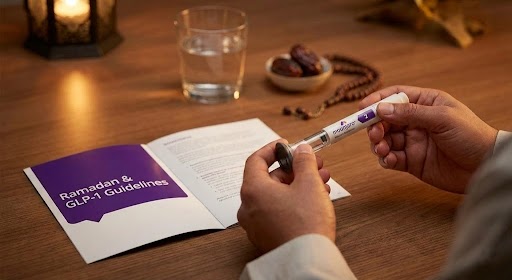
Ramadan represents a profound period of spiritual reflection, self-discipline, and community for millions of Muslims worldwide. You pursue physical and emotional renewal through fasting from dawn to dusk. Meanwhile, many individuals manage weight loss or diabetes with medications like Mounjaro (tirzepatide) and Wegovy (semaglutide). These injectable GLP-1 receptor agonists effectively support weight management and blood sugar control. However, you may wonder how to align these treatments with Ramadan’s fasting requirements.
You can continue these medications safely during Ramadan with careful planning and professional guidance. Experts confirm that injectable treatments do not invalidate the fast, as Islamic scholars classify them alongside other non-oral medical interventions. Nevertheless, fasting alters daily routines, hydration levels, and meal patterns, which can influence medication efficacy and side effects. This comprehensive guide equips you with evidence-based strategies to maintain both spiritual commitment and health goals.
Unveiling the Power of Mounjaro and Wegovy
Mounjaro and Wegovy belong to the class of GLP-1 receptor agonists, which mimic natural hormones that regulate appetite, digestion, and insulin release. You administer both as weekly subcutaneous injections, offering convenience over daily medications. Wegovy contains semaglutide, primarily approved for weight management in individuals with obesity or overweight conditions. Mounjaro, featuring tirzepatide as a dual GLP-1 and GIP agonist, provides enhanced effects on weight loss and glycemic control.
Moreover, clinical studies demonstrate that these medications promote significant weight reduction often 15-20% of body weight while lowering risks of cardiovascular events in eligible patients. You experience delayed gastric emptying, increased satiety, and improved insulin sensitivity. During Ramadan, these mechanisms can complement fasting’s natural appetite suppression. However, you must monitor responses closely, as reduced food intake may amplify certain effects.
Additionally, healthcare providers prescribe these injections for type 2 diabetes management, where they exhibit low risks of hypoglycemia compared to other therapies. This safety profile makes them suitable options for many fasting individuals.
The Spiritual Essence of Ramadan Fasting
Ramadan fasting, or Sawm, constitutes one of Islam’s Five Pillars, requiring abstinence from food, drink, and other specified activities from Fajr (dawn) to Maghrib (sunset). You break the fast with Iftar, often starting with dates and water, followed by a balanced meal. Suhoor, the pre-dawn meal, sustains you through the day.
Furthermore, fasting fosters empathy, gratitude, and physical detoxification. Many report improved metabolic health and weight loss during this month. When combining fasting with weight loss injections, you leverage synergistic benefits: GLP-1 agonists enhance feelings of fullness, potentially easing hunger during fasting hours.
However, extended periods without hydration pose challenges, particularly with medications that may cause gastrointestinal side effects. Therefore, you prioritize non-fasting windows for recovery and nourishment.
Islamic Rulings: Do Injections Invalidate the Fast?
Islamic scholars widely agree that subcutaneous injections, such as Mounjaro and Wegovy, do not break the Ramadan fast. Authorities like the International Islamic Fiqh Academy categorize them as non-nutritive interventions, similar to blood draws or insulin injections for diabetics.
Consequently, you continue your prescribed regimen without spiritual compromise. This ruling provides reassurance for those hesitant about treatment interruptions. Always consult knowledgeable religious scholars for personal circumstances, as interpretations may vary slightly.
In addition, oral medications pose different considerations, but injectables remain permissible. This clarity empowers you to focus on both worship and wellness.
Identifying Potential Risks During Fasting
GLP-1 agonists carry common side effects like nausea, vomiting, diarrhea, and reduced appetite, which can intensify dehydration risks during fasting. Dehydration emerges as a primary concern, potentially leading to headaches, fatigue, or more serious complications like kidney strain.
Moreover, altered eating patterns may exacerbate gastrointestinal discomfort if injections coincide poorly with meal times. Although hypoglycemia risk remains low with these medications alone, combining them with other diabetes treatments requires vigilance.
However, studies on GLP-1 use during Ramadan, including tirzepatide and semaglutide, report favorable safety profiles when managed properly. You mitigate risks through proactive strategies and medical oversight.
Seeking Expert Guidance Before Ramadan
You consult your healthcare provider well in advance ideally 2-3 months before Ramadan to discuss your fasting intentions. Physicians assess your health status, review current doses, and recommend adjustments if needed.
Furthermore, endocrinologists or diabetes specialists familiar with Ramadan guidelines offer tailored plans. They may suggest pre-Ramadan titration to stabilize effects or monitor blood markers closely.
Additionally, discuss any history of side effects or comorbidities. This collaborative approach ensures safety and optimizes outcomes.
Mastering Injection Timing for Optimal Results
You strategically time weekly injections to minimize discomfort during fasting hours. Many experts recommend administering the dose shortly after Iftar, when you rehydrate and nourish the body.
This timing allows side effects, such as nausea, to occur during non-fasting periods when you manage them with food or fluids. Alternatively, some prefer injection before Suhoor, aligning peak effects with daytime fasting for enhanced appetite control.
However, individual responses vary; experiment under medical supervision in prior weeks. Consistency in weekly scheduling remains crucial for steady drug levels.
Navigating Dose Adjustments with Precision
Physicians may temporarily reduce doses during Ramadan to lessen side effects amid changed routines. For instance, stepping down from higher maintenance doses prevents overwhelming nausea.
Conversely, some maintain standard doses if tolerated well, capitalizing on fasting’s weight loss amplification. Blood glucose monitoring guides decisions for diabetic patients.
Moreover, avoid self-adjusting doses, as abrupt changes risk suboptimal control or rebound effects. Regular check-ins allow fine-tuning throughout the month.
Proactive Management of Common Side Effects
You address nausea the most frequent issue by starting meals with light, bland foods at Iftar and Suhoor. Anti-nausea strategies, like ginger tea or small frequent sips post-sunset, prove helpful.
Additionally, combat constipation through fiber-rich choices during eating windows, such as fruits, vegetables, and whole grains. For diarrhea, you prioritize electrolyte replenishment.
Furthermore, fatigue often stems from dehydration; counteract it by maximizing fluid intake outside fasting hours. Over-the-counter remedies may assist, but only with physician approval.
Prioritizing Hydration and Nutritional Balance
You consume ample fluids, aiming for 2-3 liters between Iftar and Suhoor to offset daytime abstinence and medication-related losses. Include water, herbal teas, and hydrating foods like soups or fruits.
Moreover, balance meals with proteins, healthy fats, and complex carbohydrates for sustained energy. Avoid excessive sweets at Iftar to prevent blood sugar spikes.
However, GLP-1 effects slow digestion, so you eat mindfully to prevent bloating. Nutritional planning supports both fasting endurance and medication efficacy.
Vigilant Health Monitoring Throughout Ramadan
You track key metrics daily, including weight, blood glucose (if applicable), and symptoms. Use journals or apps to log injection times, side effects, and energy levels.
Additionally, watch for warning signs like severe dehydration, persistent vomiting, or unusual fatigue, prompting immediate medical attention. Weekly physician consultations via telehealth maintain oversight.
Furthermore, adjust physical activity, such as Taraweeh prayers to moderate levels, avoiding overexertion.
Harmonizing Spiritual and Physical Wellness
Ramadan offers unique opportunities to align health goals with faith. You view medication use as stewardship of the body, enhancing focus during worship.
Moreover, many experience profound motivation from combining fasting’s discipline with injection-supported progress. Celebrate non-scale victories, like improved vitality or clothing fit.
However, prioritize self-compassion; temporary plateaus during Ramadan do not diminish long-term success.
Empowering Your Post-Ramadan Transition
As Eid approaches, you prepare for resuming normal routines. Physicians may advise gradual dose escalation if reduced during fasting.
Additionally, sustain healthy habits cultivated in Ramadan mindful eating and hydration for continued benefits. Reflect on achievements to build momentum.
Furthermore, ongoing treatment adherence post-Ramadan maximizes cumulative weight loss and health improvements.
Final Reflections
You successfully integrate Mounjaro and Wegovy into Ramadan through informed planning, timing awareness, and professional support. Embrace this period as one of holistic renewal, where spiritual devotion enhances physical transformation.
If sourcing medications, explore options to buy weight loss injections online from verified, regulated pharmacies to ensure authenticity and safety. Always verify prescriptions and avoid unverified sources.
This journey underscores resilience: you honor faith while nurturing health. May your Ramadan bring profound peace, progress, and empowerment.
Be the first to comment on "How to Take Mounjaro or Wegovy Safely During Ramadan"